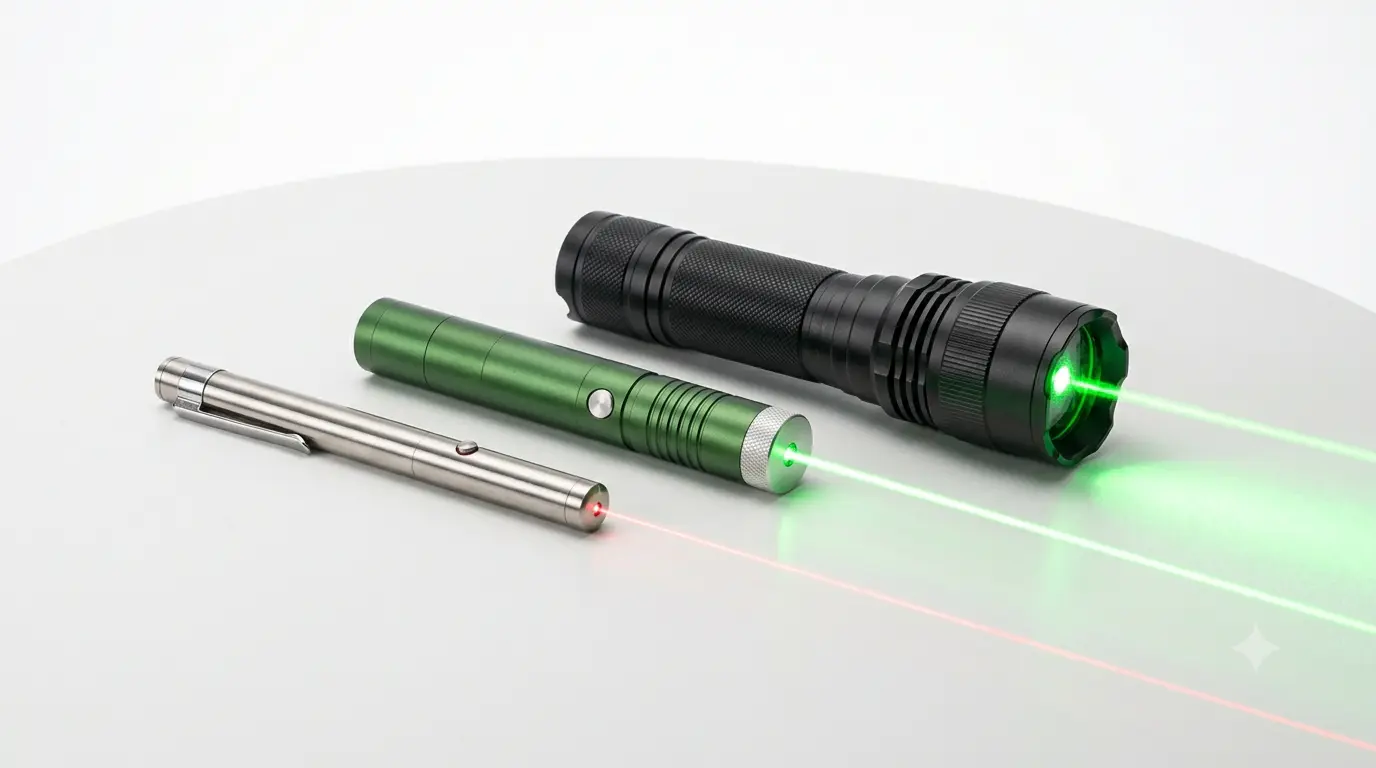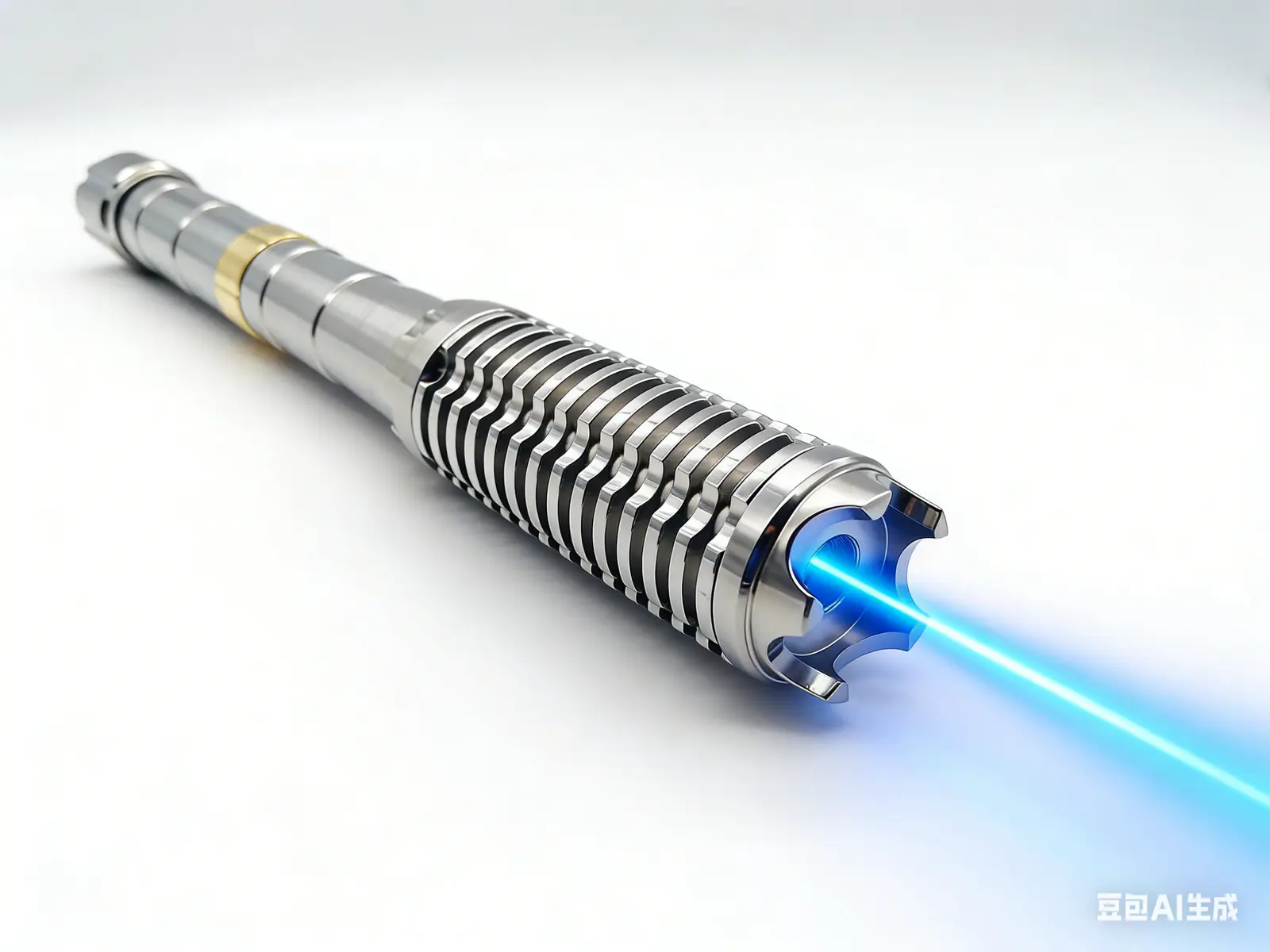
Laser Pointer Types Guide: Best Classic to Modern & High-End
Confused by all the laser pointer types? From classic pen-style greens to compact EDC and modern tactical hosts, this guide helps you match the right type to your needs.
Actionable buying guides, performance comparisons, safety checklists, and practical use cases.

Confused by all the laser pointer types? From classic pen-style greens to compact EDC and modern tactical hosts, this guide helps you match the right type to your needs.

A practical guide to using a laser pointer for construction work, landscaping, and industrial maintenance. Learn about daylight visibility, key features, safety compliance, and choosing the right laser.
Complete guide to infrared laser pointer 1064nm invisible beam technology. Covers detection methods, near-infrared classification, FDA regulations, and documented eye injury cases.

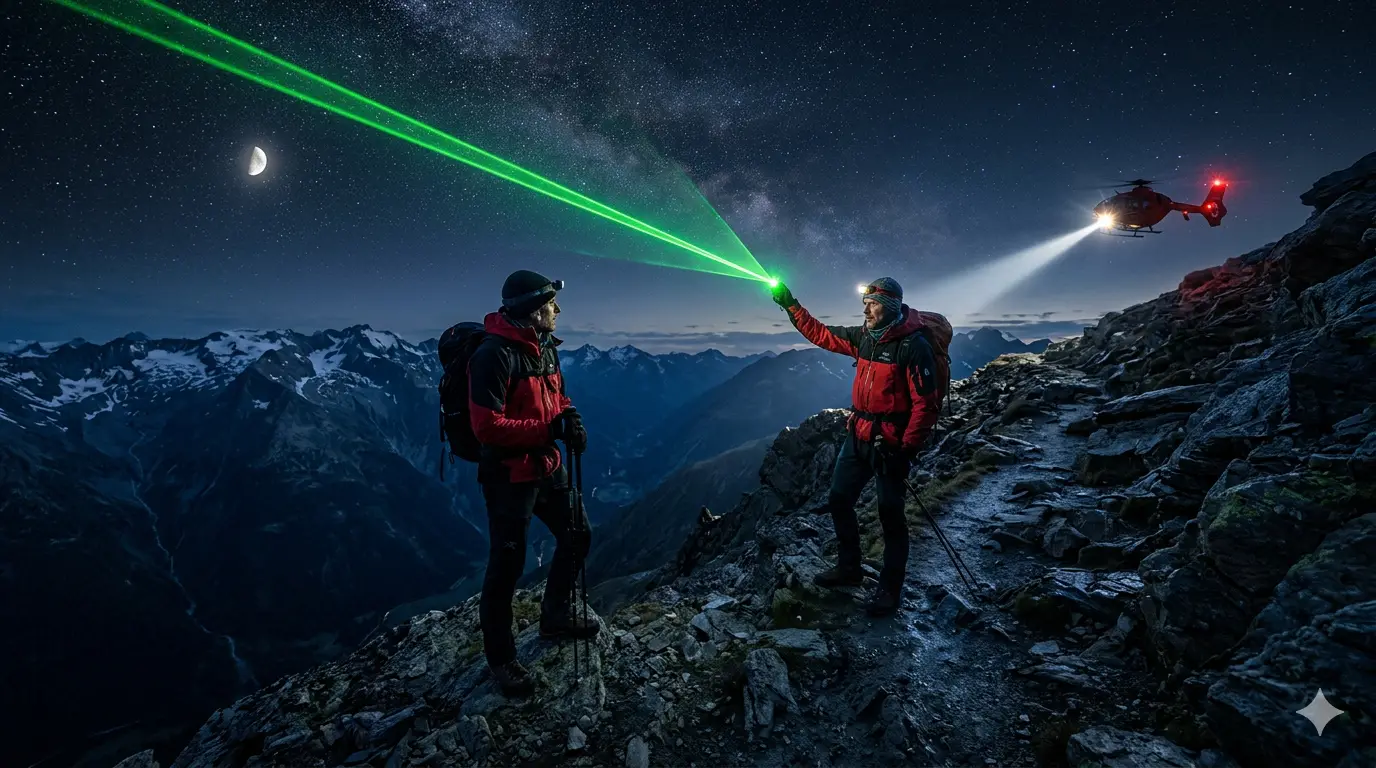
Not all laser pointers belong in your survival kit. Compare standard pointers, rescue-grade lasers, and high-power handhelds for camping, hiking, and emergency signaling.

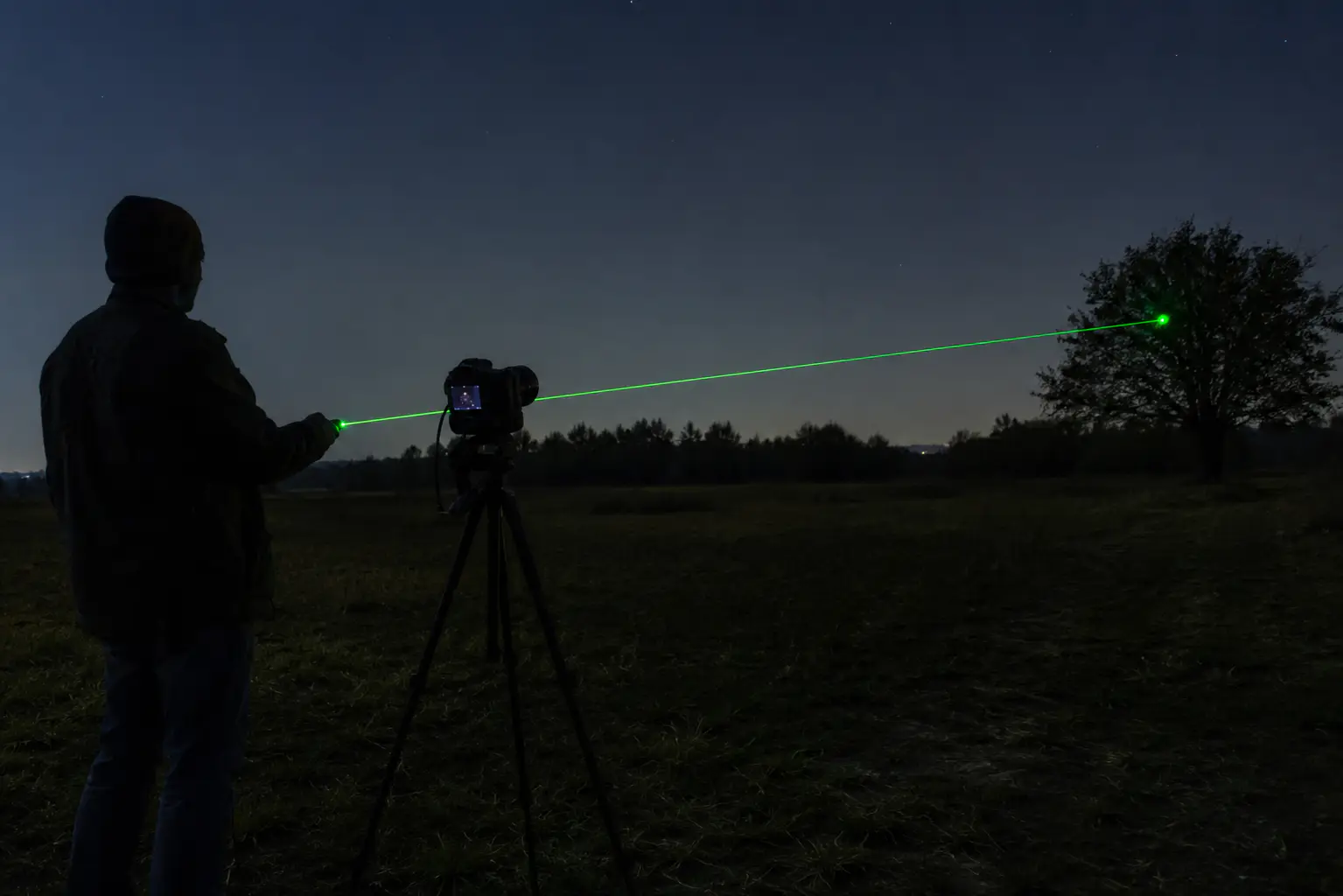
Learn how to use laser pointers for light painting photography. Complete guide covering wavelength selection, camera settings, safety data from FDA and ILDA, and creative techniques for stunning long-exposure laser photos.

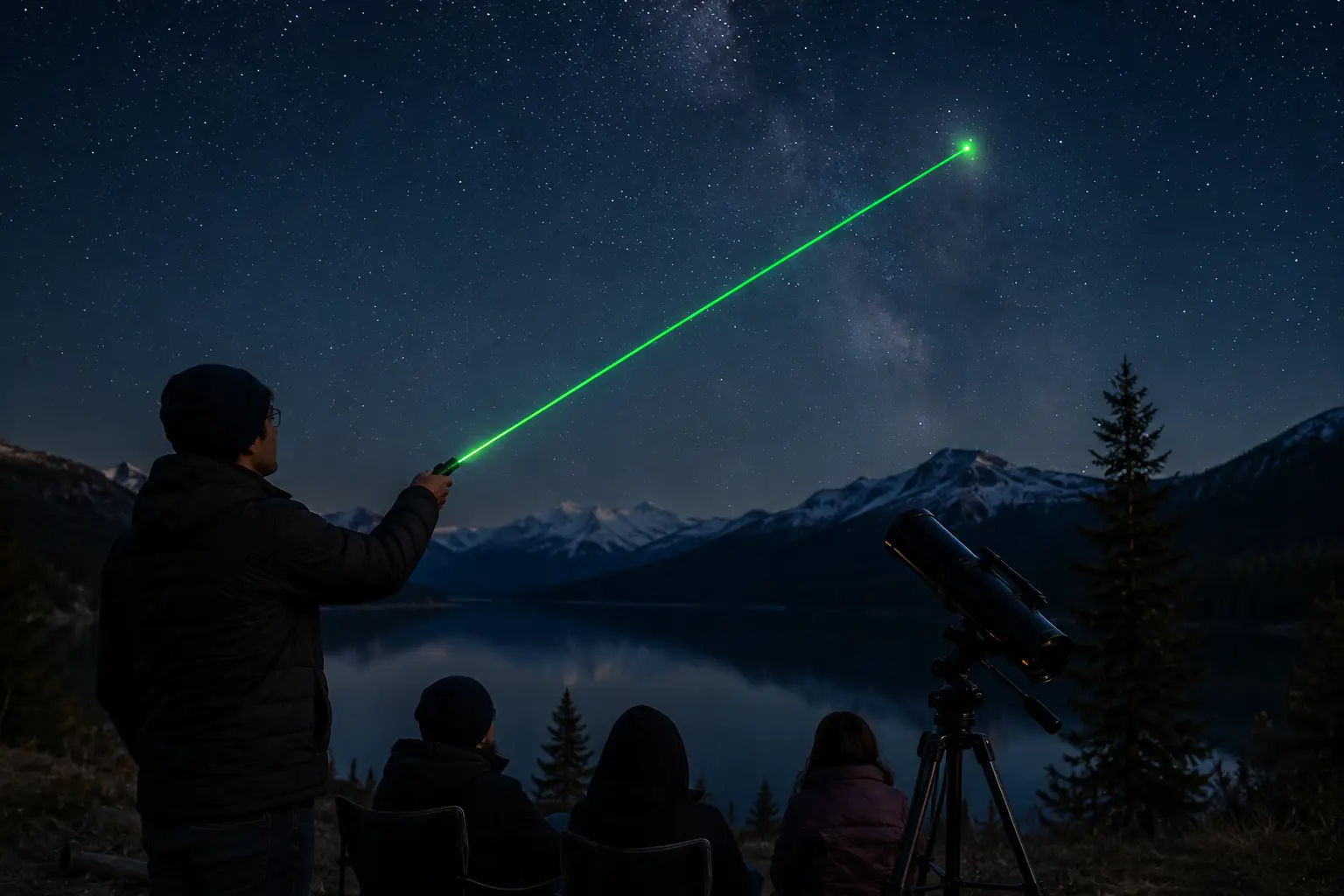
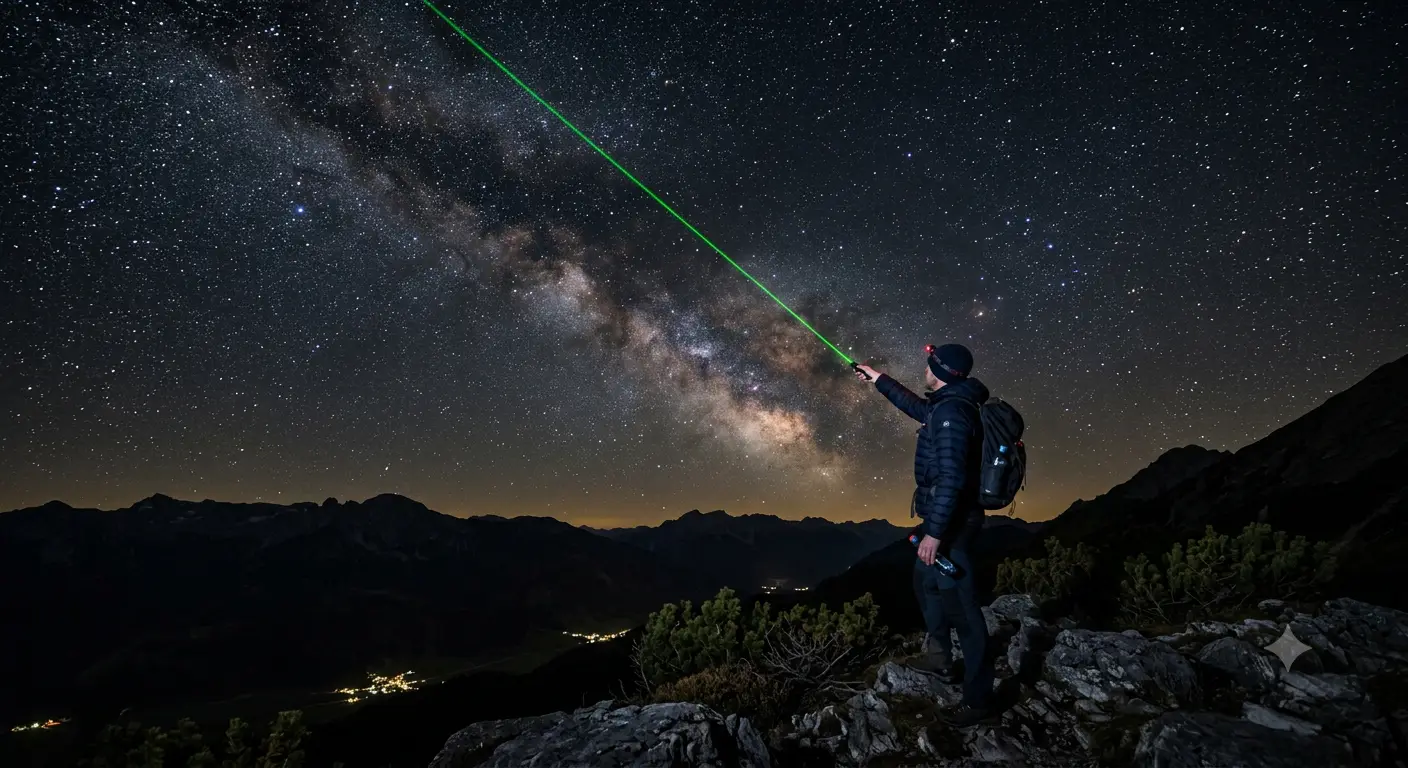
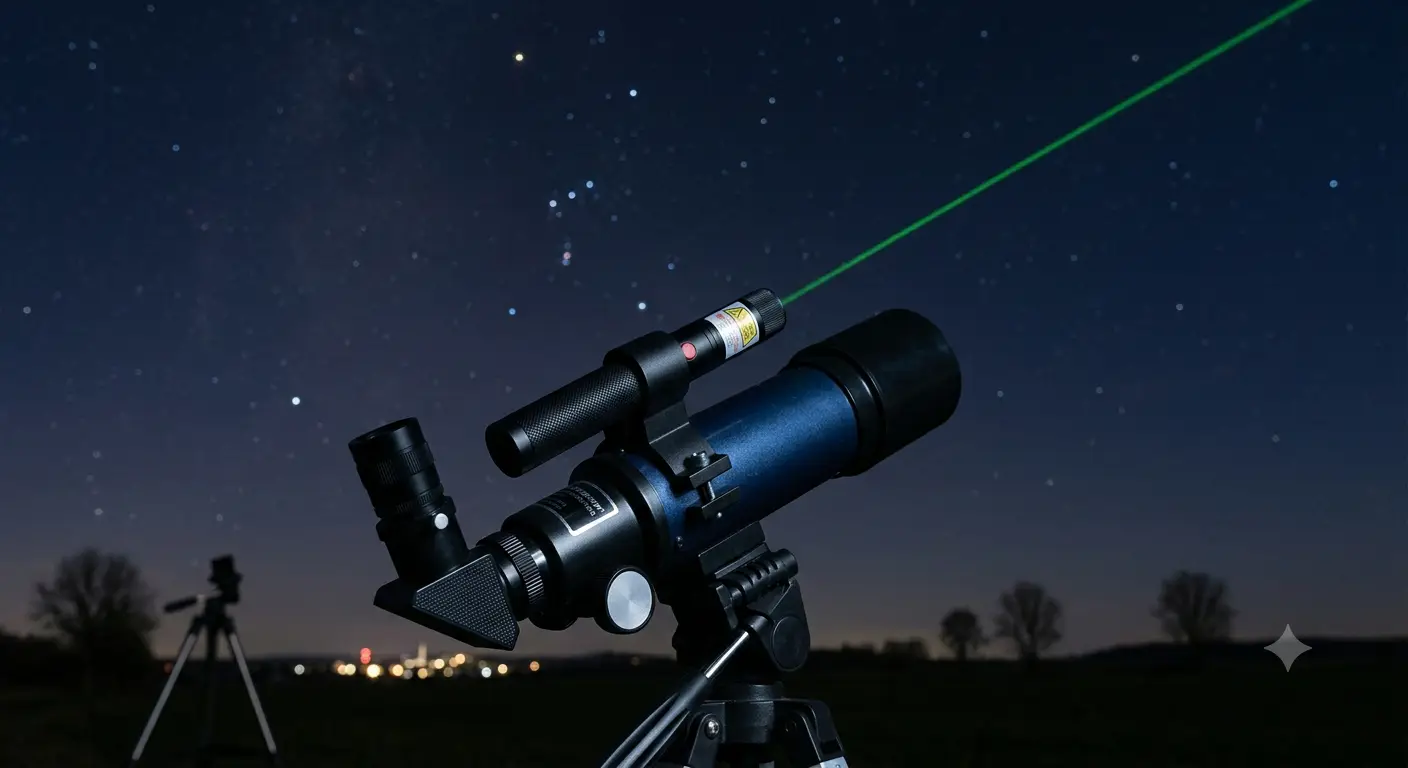
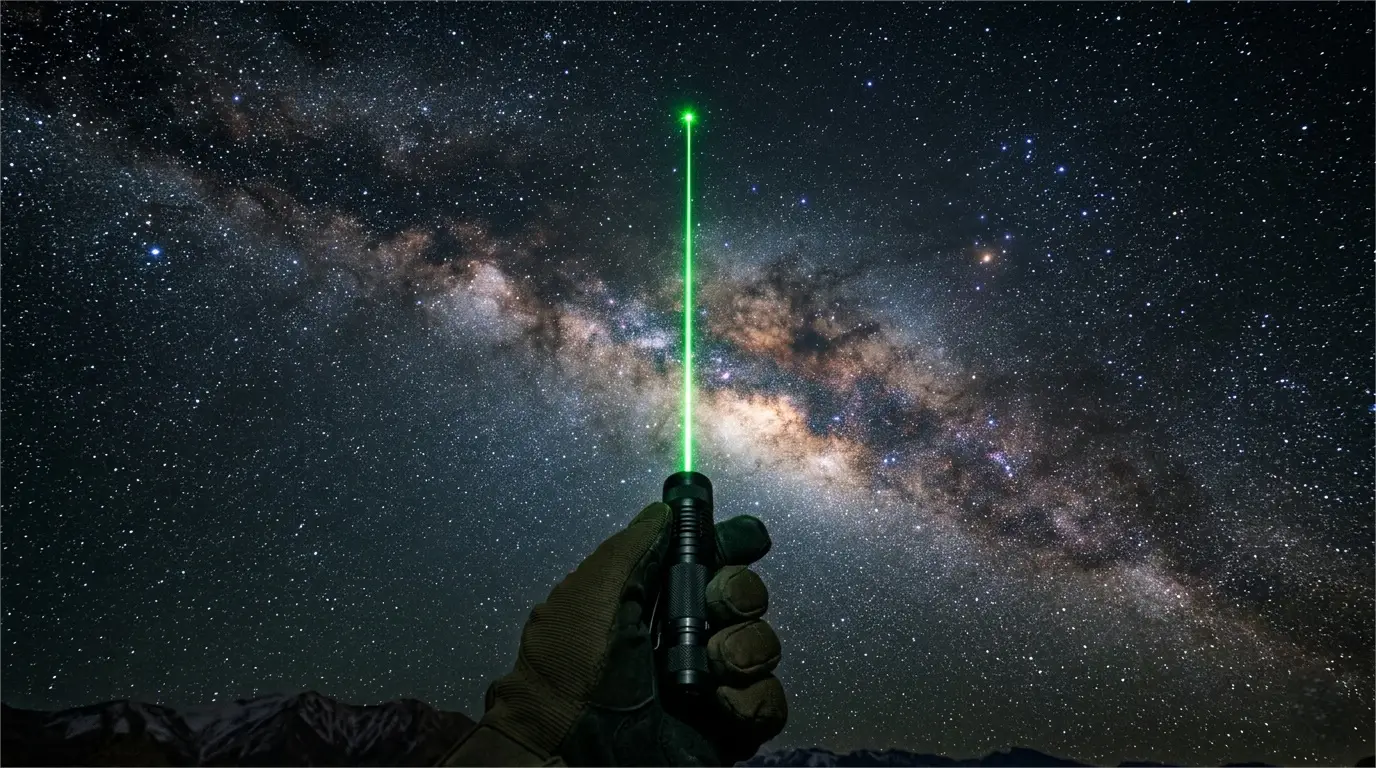
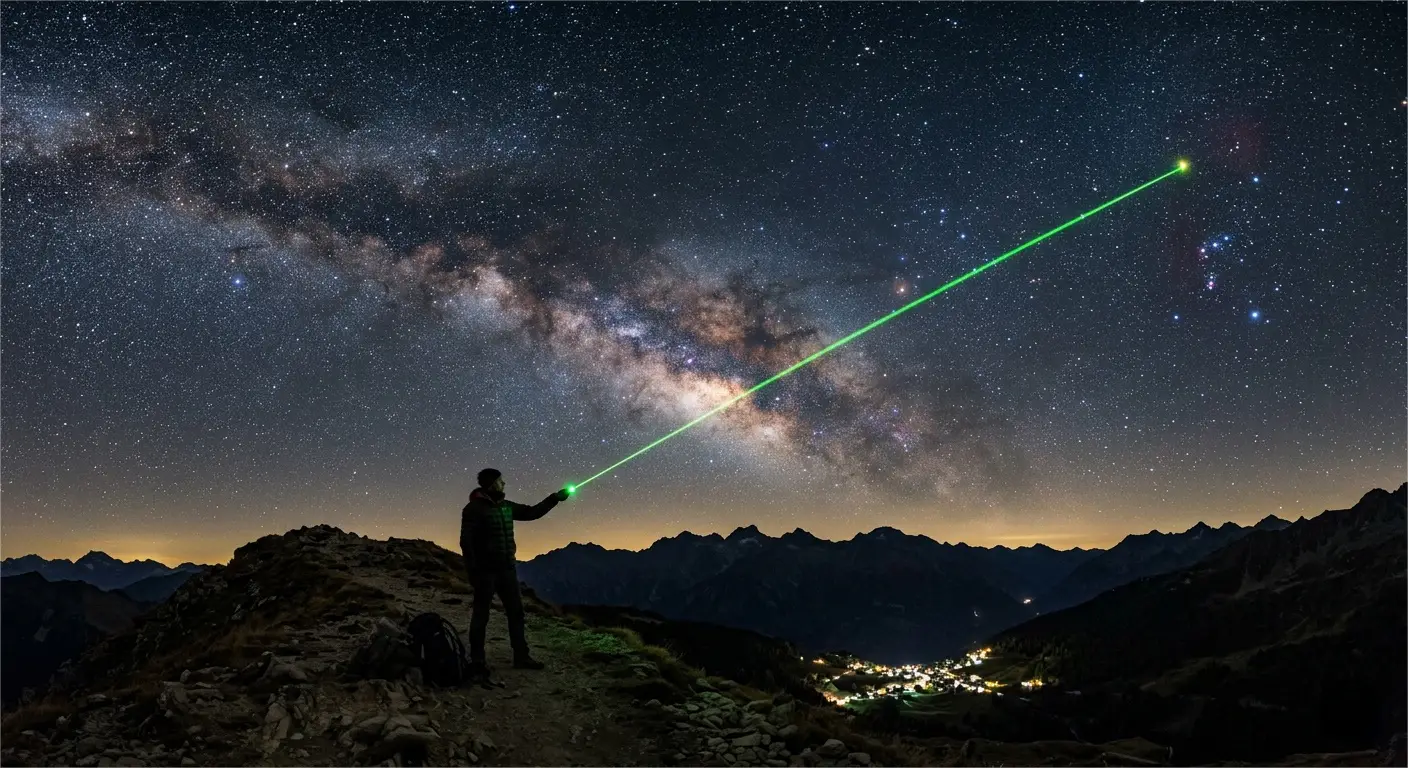
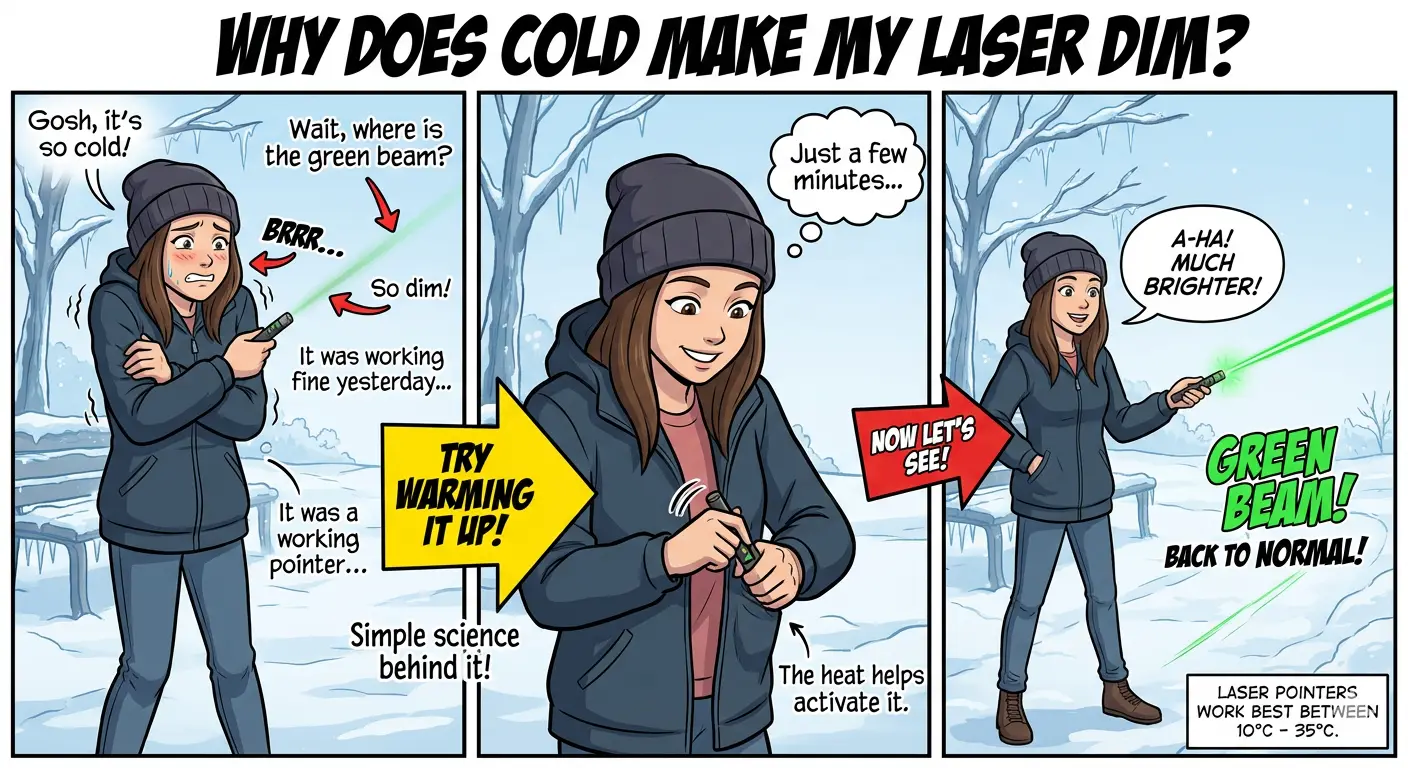
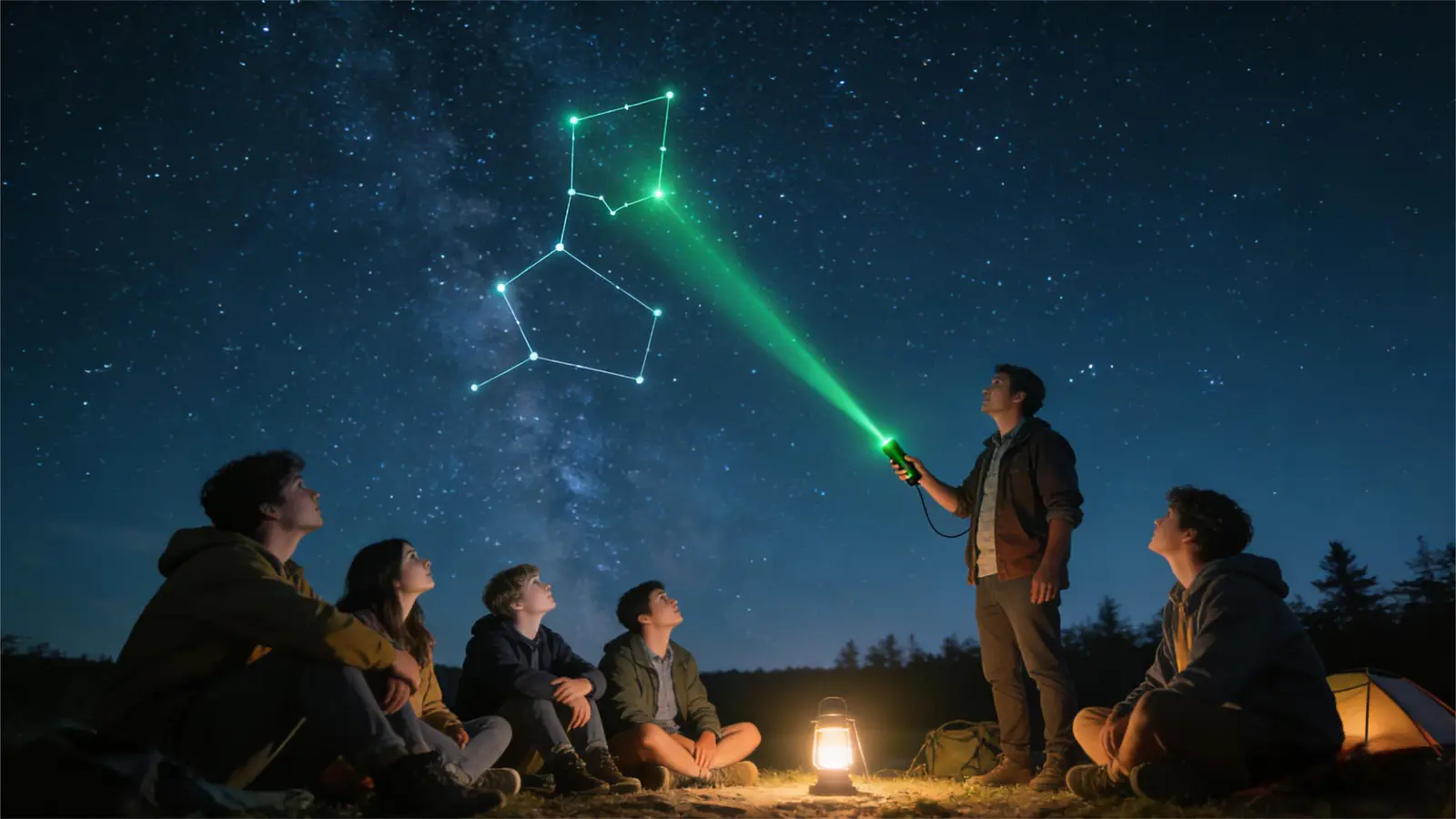
Find the best green laser for stargazing in 2026. We compare 520nm vs 532nm, explain cold-weather performance, show how to verify real 5mW compliance, and recommend the top astronomy laser pointers by use case.
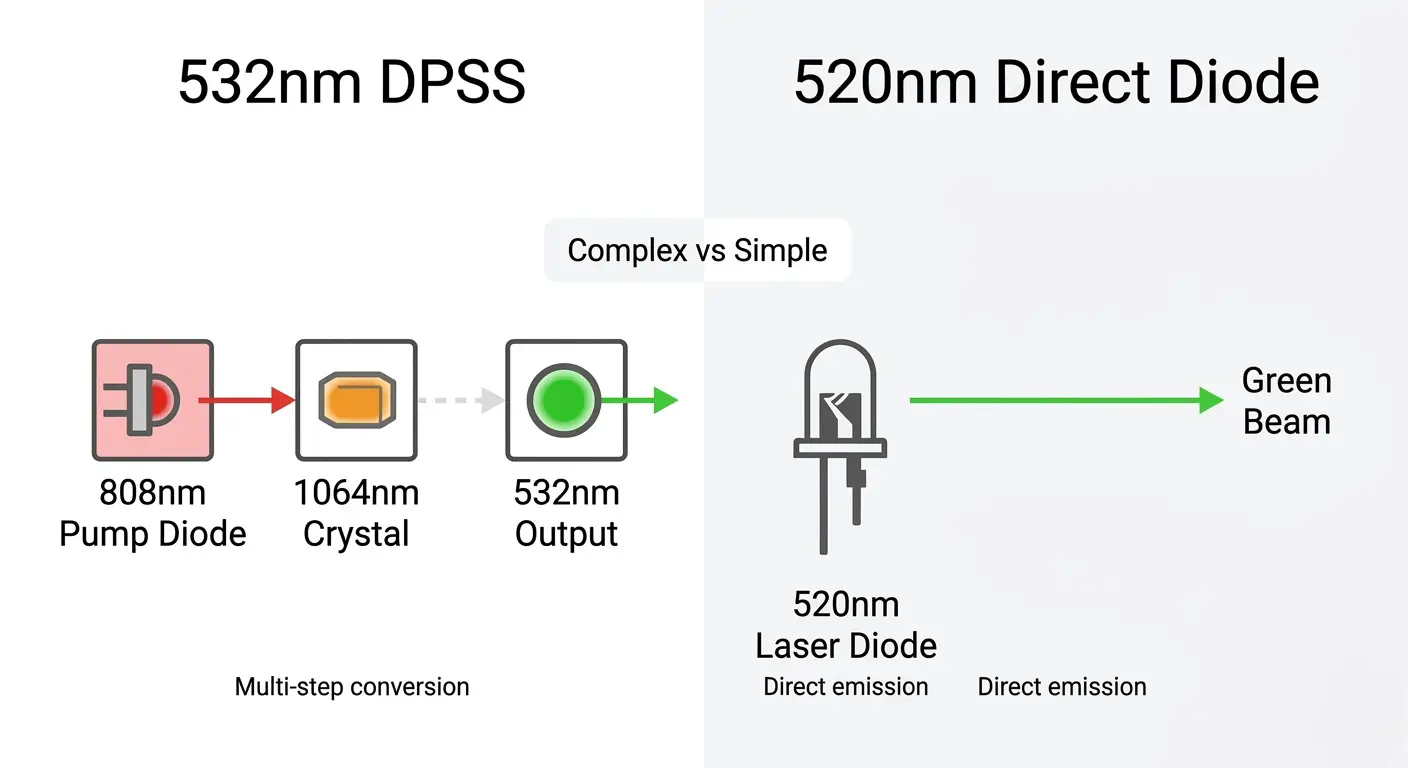
Need a laser pointer that actually fits in your pocket? We compare compact EDC lasers, explain DPSS vs direct diode for portable use, and reveal 5 pocket-specific failure points most reviews ignore.
A complete guide to the laser pointer purchasing experience, what to expect for shipping times, customs delays, warranty support, and how to handle chargebacks when things go wrong.

Buying a laser pointer you can trust is harder than it should be. NIST testing found 90% of green laser pointers fail federal safety standards, and Reddit users report everything from melting plastic to dead-on-arrival units. This guide gives you a 7-step verification checklist to assess label compliance, IR leakage, power accuracy, beam quality, build construction, and seller credibility before and after you buy, no power meter required.

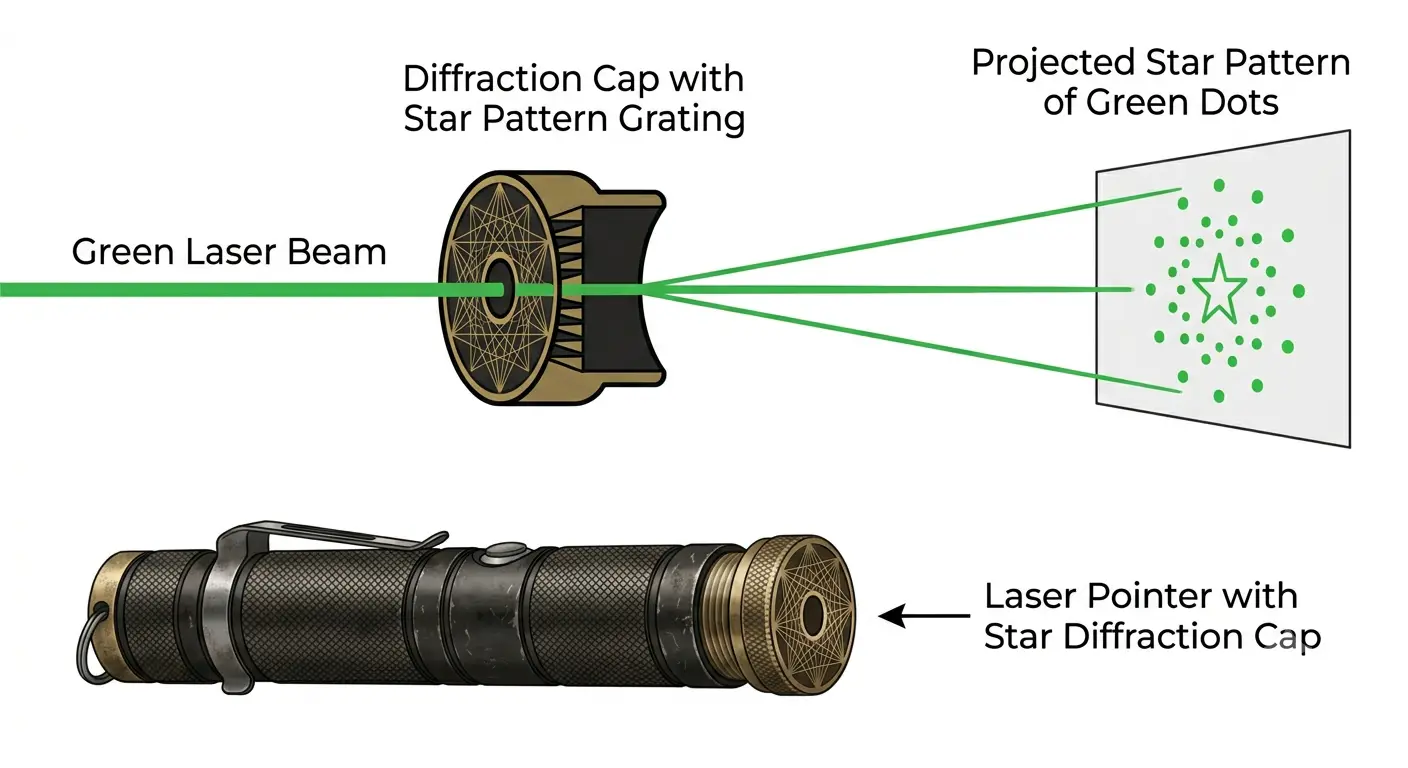
Everything you need to know about laser pointer diffraction caps and star pattern heads, how they work, which thread sizes actually fit, the hidden IR danger, whether you can DIY a custom pattern, and why a $5 cap does the same as a $95 one.

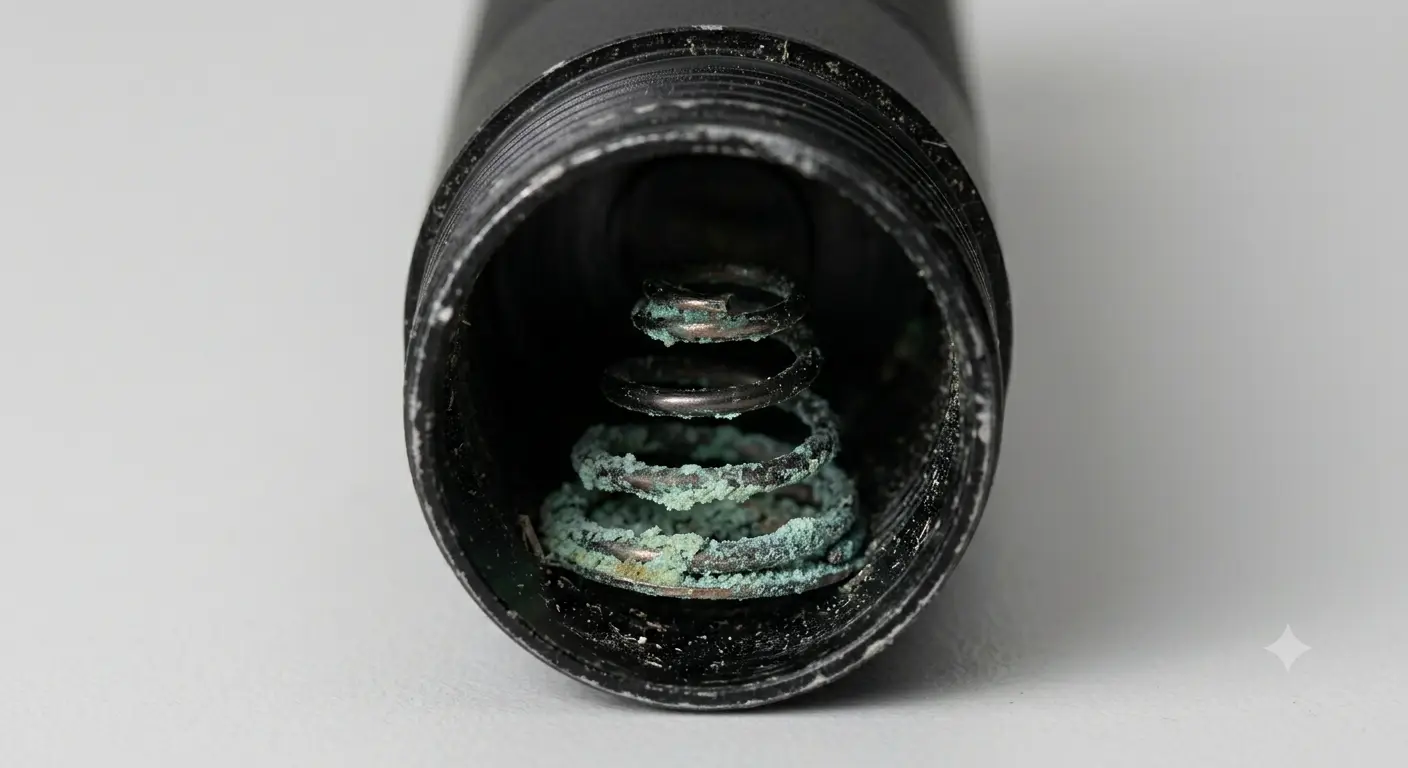
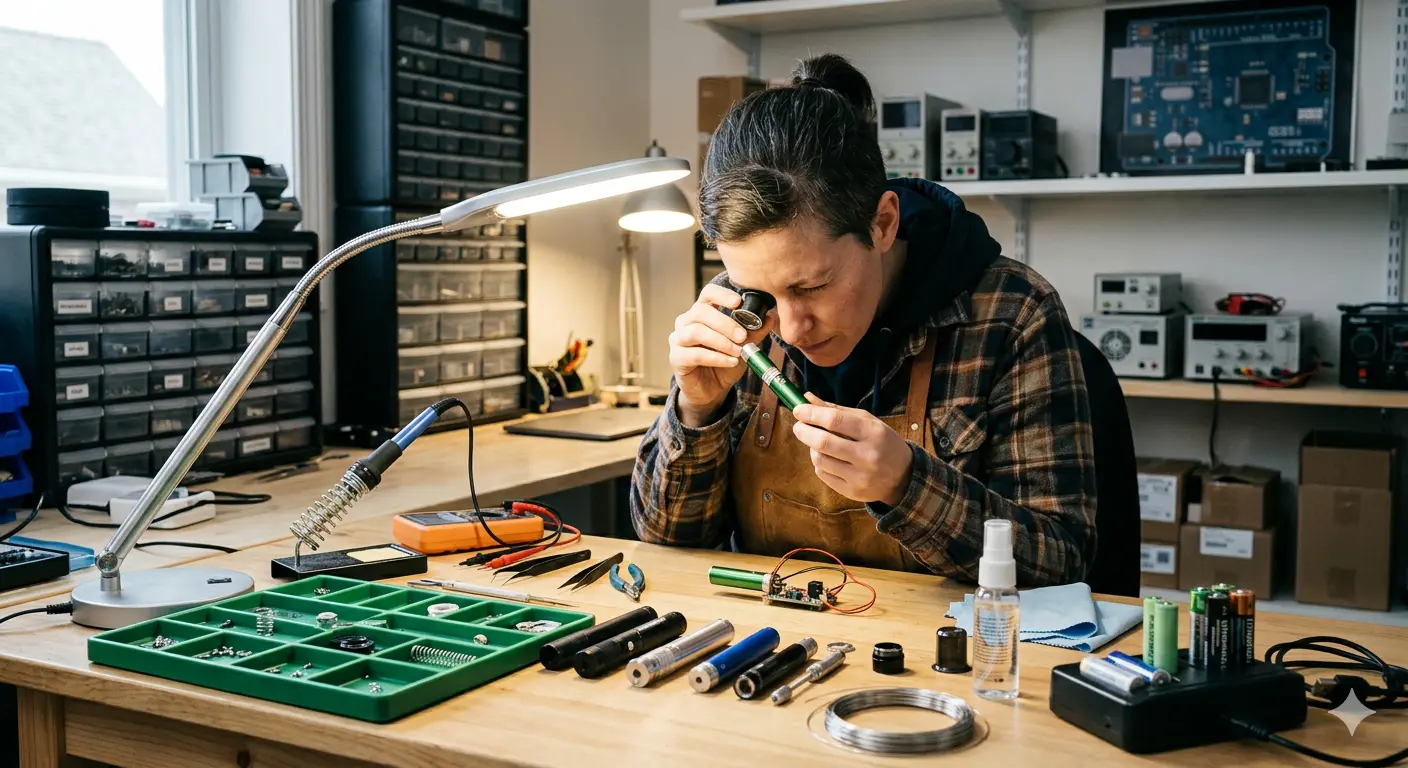
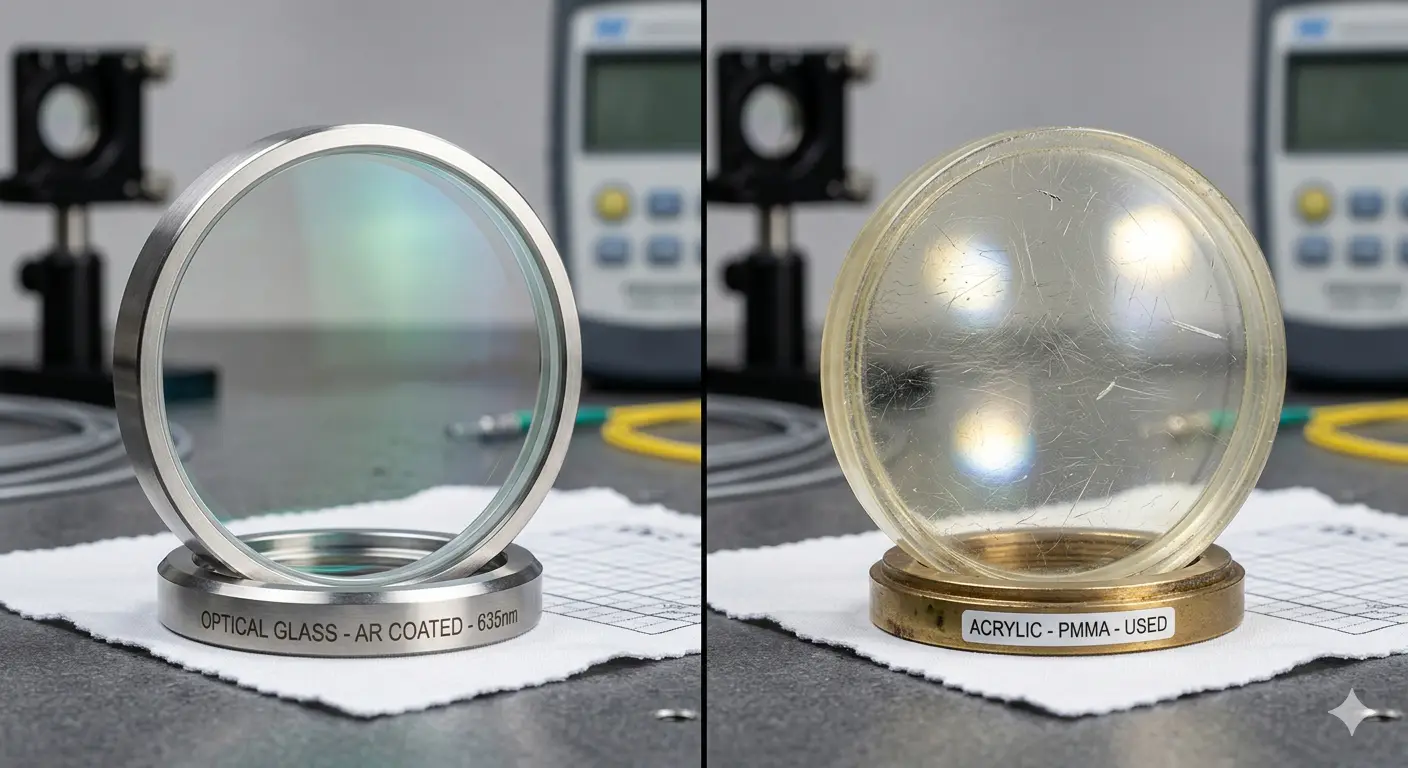
Complete troubleshooting and maintenance guide for handheld laser pointers. Learn how to safely clean your lens, diagnose beam problems beyond dirt, choose the right tools and solvents for glass vs plastic lenses, and maintain your pointer's battery, contacts, and duty cycle for years of use.

How to mount a laser pointer on your telescope, tripod, or DIY setup. Covers the compatibility triangle (body diameter, mount interface, switch type), cold-weather reliability, the switch logic problem, and when a mounted laser is the wrong tool for the job.

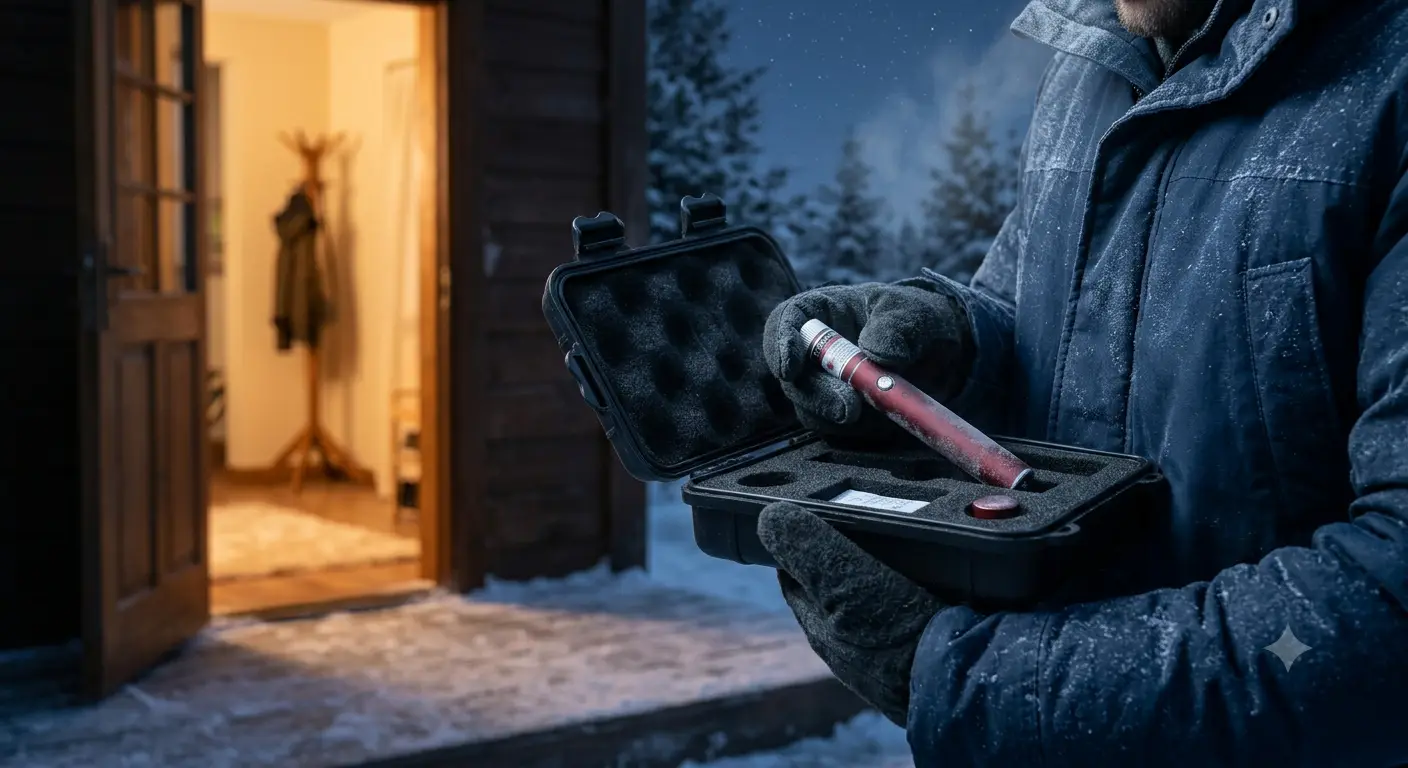
Most laser pointer damage happens when you're not using it. This guide covers hard case vs soft pouch selection, PE vs PU foam engineering, MIL-STD-810G drop ratings, battery storage rules, and the cross-climate protocol that stops lens condensation, all backed by real user stories and engineering standards.

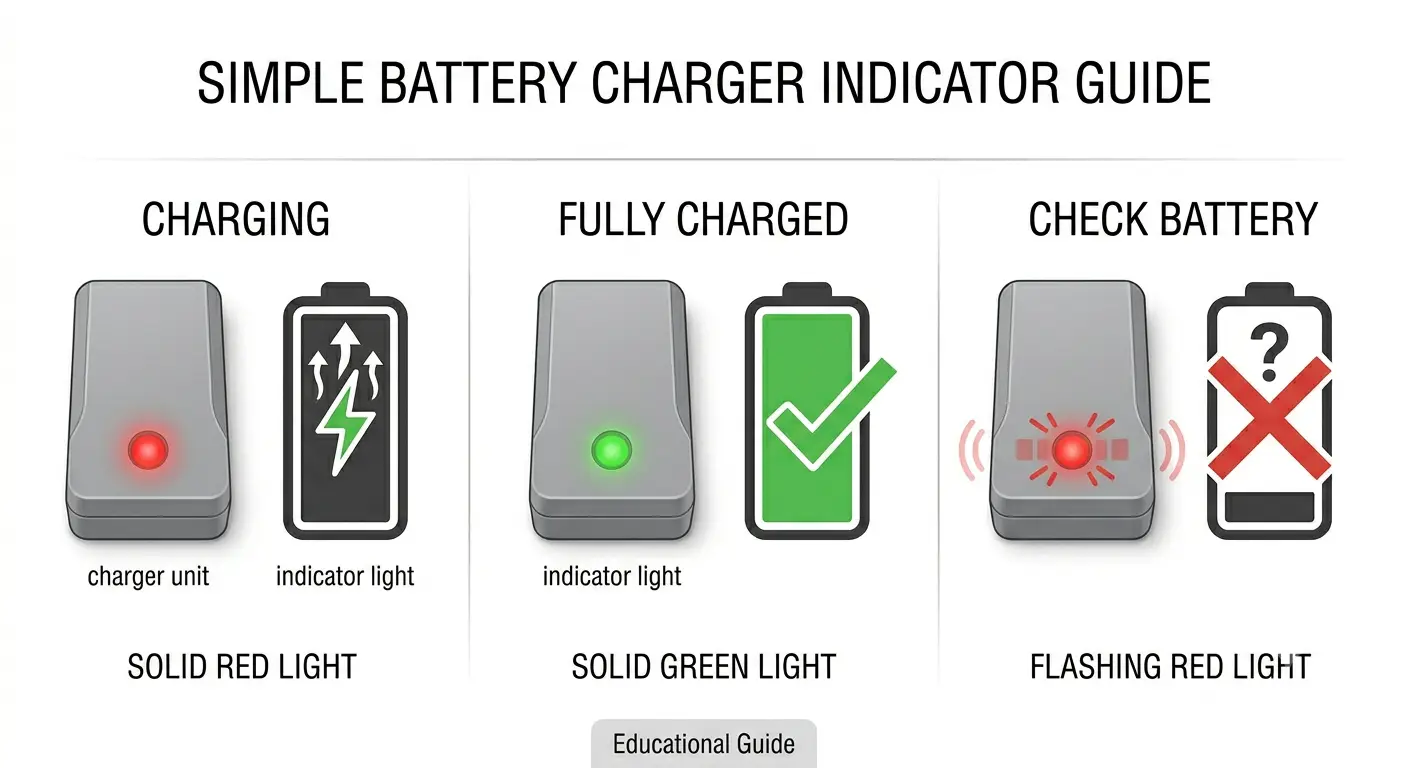
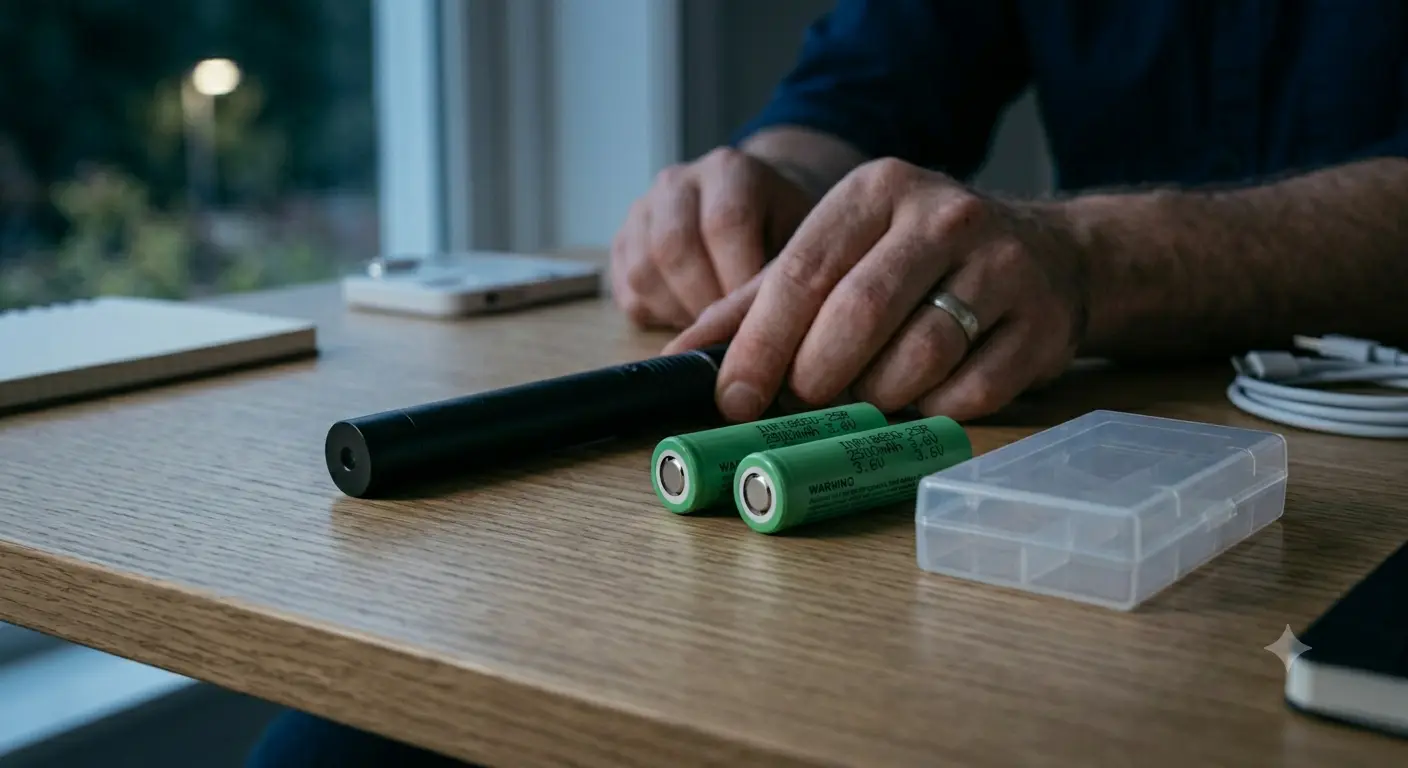
Learn how to identify your laser pointer's battery type, choose the right charger, and decode LED indicators before you plug anything in. Covers USB-rechargeable, single-cell 18650 and 16340, and dual-cell 2S laser charging systems, with real troubleshooting data from forums and official safety guidance from OSHA and CPSC.

Most "broken" laser pointers aren't broken at all, the battery, charger, or mount is the real culprit. This guide covers every accessory category you'll encounter, from spotting counterfeit 18650s to building a $3 telescope mount, with a full compatibility matrix for M9 × 0.5 threads, cold-weather battery swaps, and OD goggle calculations.

Laser pointer lifespan is not one number. It breaks down into five independent layers, diode, driver, switches, battery cycles, and optical alignment, each with its own failure timeline. This guide explains how long each layer lasts, what a real laser diode lifespan looks like under Arrhenius aging models, why 520nm and 532nm green lasers age differently, and how to read the 8 warning signs that tell you whether to repair or replace.

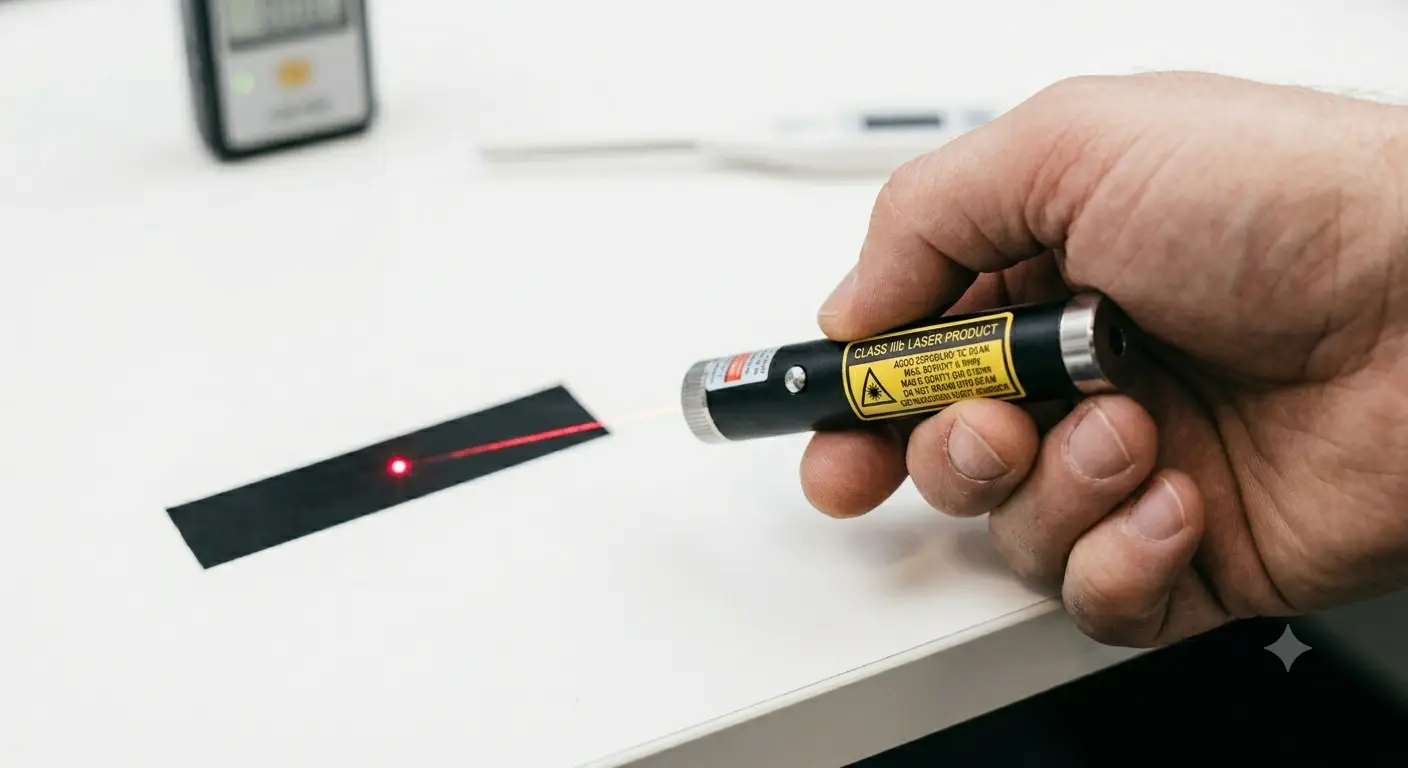
Most laser pointers are far more powerful than their labels claim. This guide shows you how to verify actual mW output, using a laser power meter or simple at-home screening, with step-by-step protocols, NIST testing data, and a power-to-risk decision table.

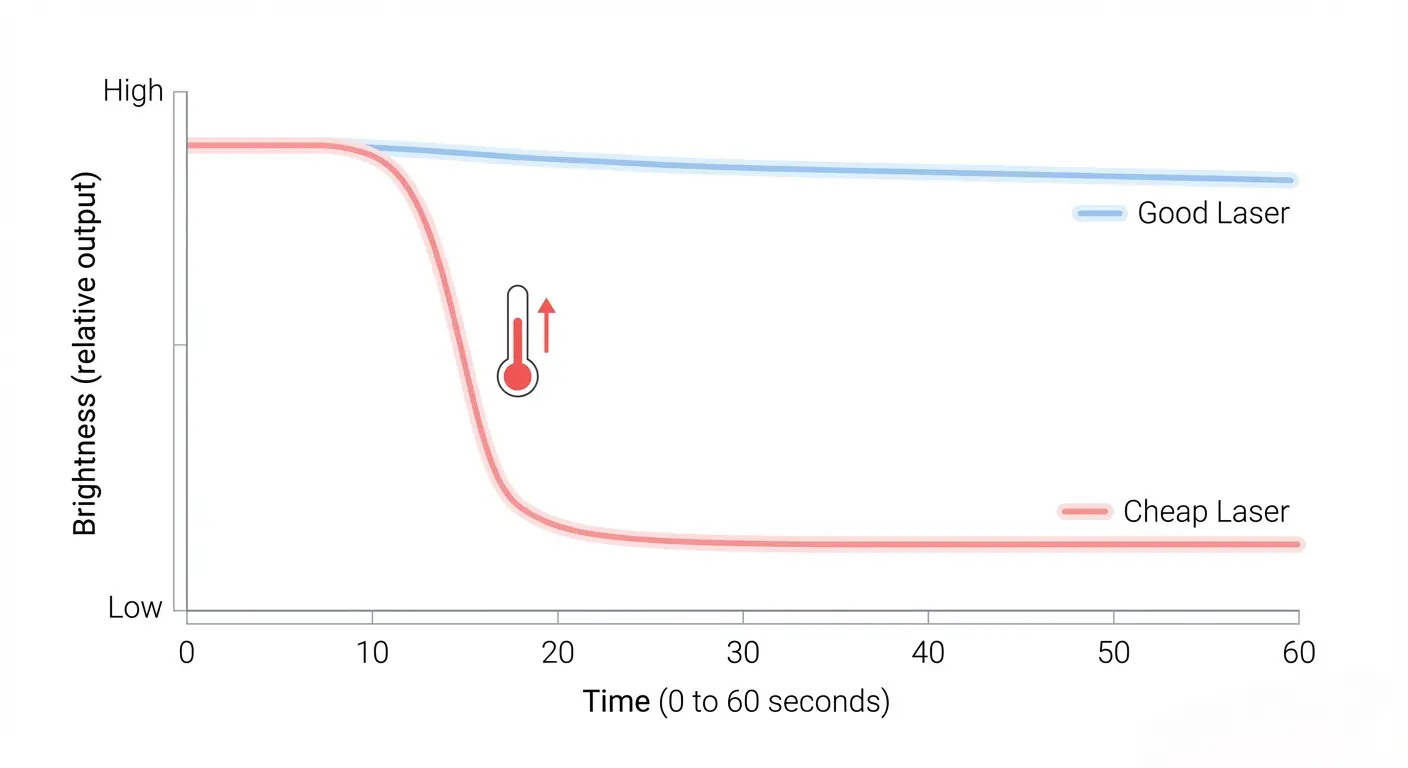
Understanding your laser pointer's duty cycle is the difference between a diode that lasts years and one that burns out in weeks. This guide explains why overheating kills laser diodes, how to recognize the warning signs, and practical thermal management strategies backed by NASA research and real user testing data.

Every laser pointer depends on the right battery, yet most buyers have no idea which cell fits their specific model. This guide maps every common laser pointer battery format, from LR44 coin cells to 21700 lithium-ions, explains why 16340 and CR123A are not interchangeable, and walks through a step-by-step troubleshooting process for when your laser beam goes dim.

Most laser pointers sold online fail independent testing for power accuracy, IR safety, and build durability. This guide uses NIST data, real user reports, and three DIY verification methods to show you exactly how to evaluate laser pointer quality before you spend a dollar, covering diode sourcing, driver design, lens materials, housing construction, and the OEM chains behind every brand.

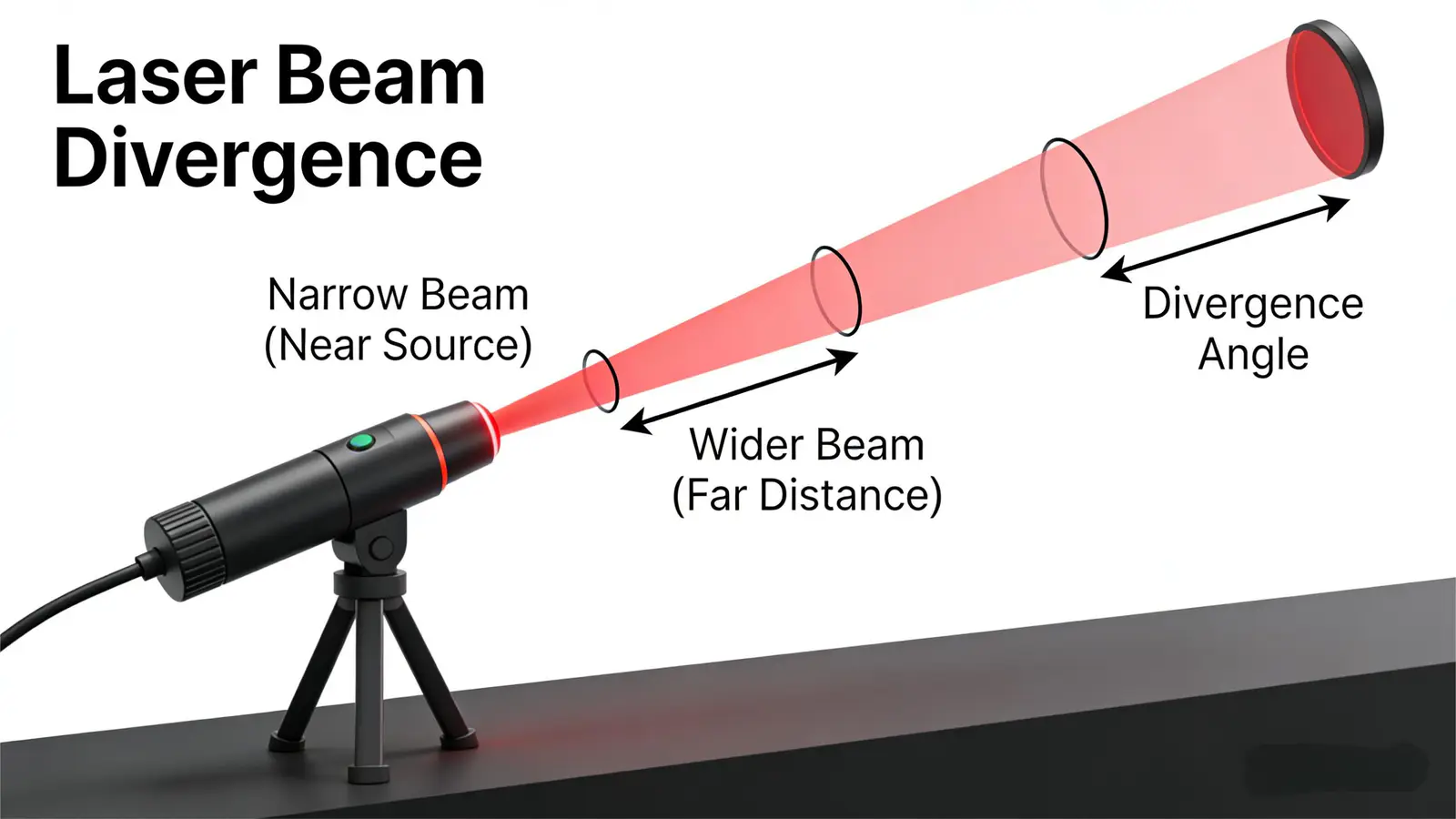
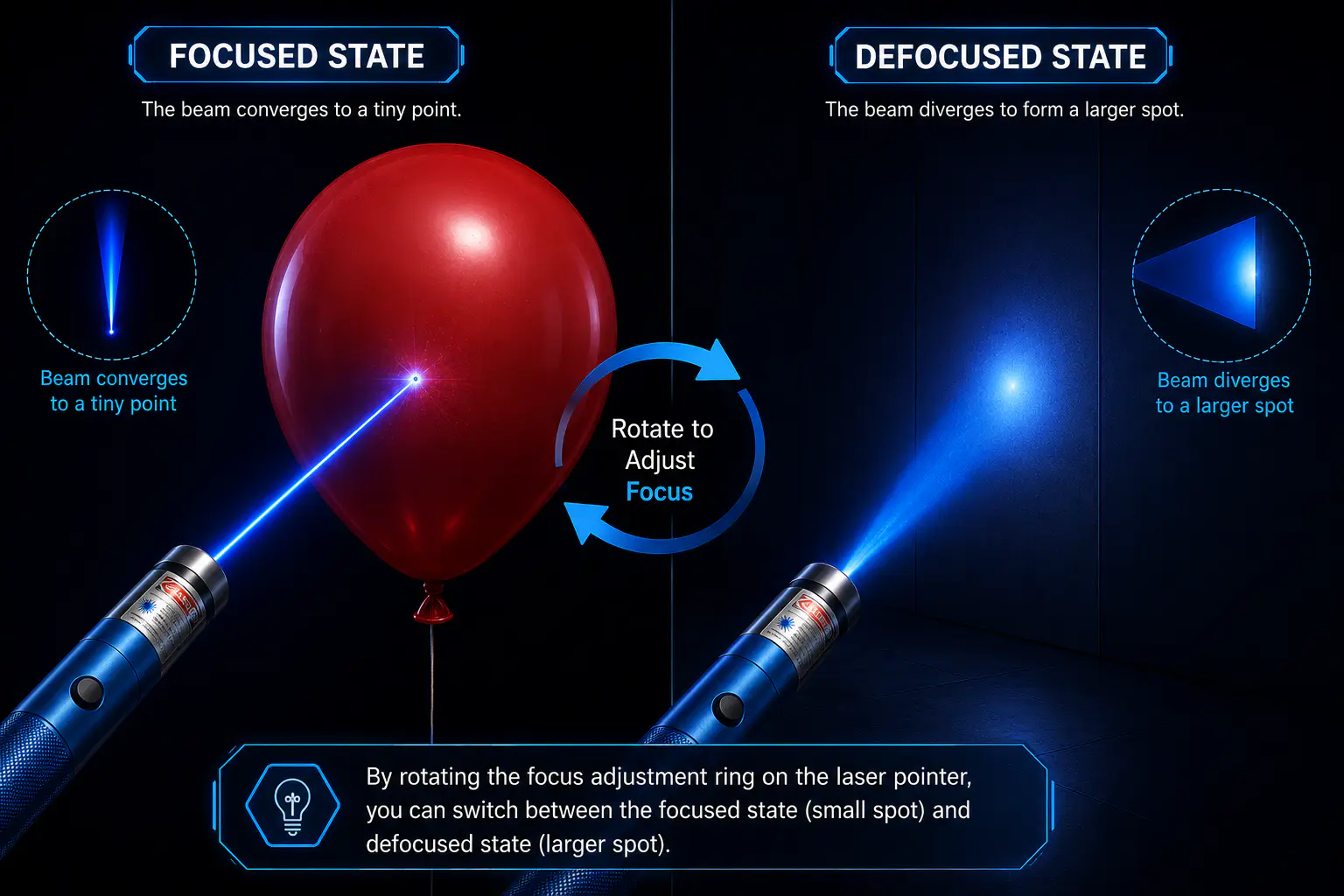
Why does a 7W laser produce a rectangle instead of a dot? This guide explains how collimation, lens materials, beam divergence, and focus mechanisms determine your laser pointer's real-world performance, beyond the specs on paper.

A buyer's guide to the $150-$300 laser pointer sweet spot. Compare the B023 (7W blue at $259-$299 or 2.4W green at $279-$319), B025 520nm green at $229-$269, and B022 Nichia 4W at $159-$199 — with verified specs, battery platform breakdowns, and what actually changes at each price jump.

Compare the best laser pointers under $150 with real specs and no marketing hype. Blue vs green, what the $89-to-$159 price jump actually buys you, and how to spot fake mW claims before you waste your money.

Under $50, nearly every laser pointer on Amazon and eBay lies about its power. We cut through the fake mW claims with NIST data, real user reports, and one honest pick at $27, plus two stretch upgrades that actually deliver what they promise.

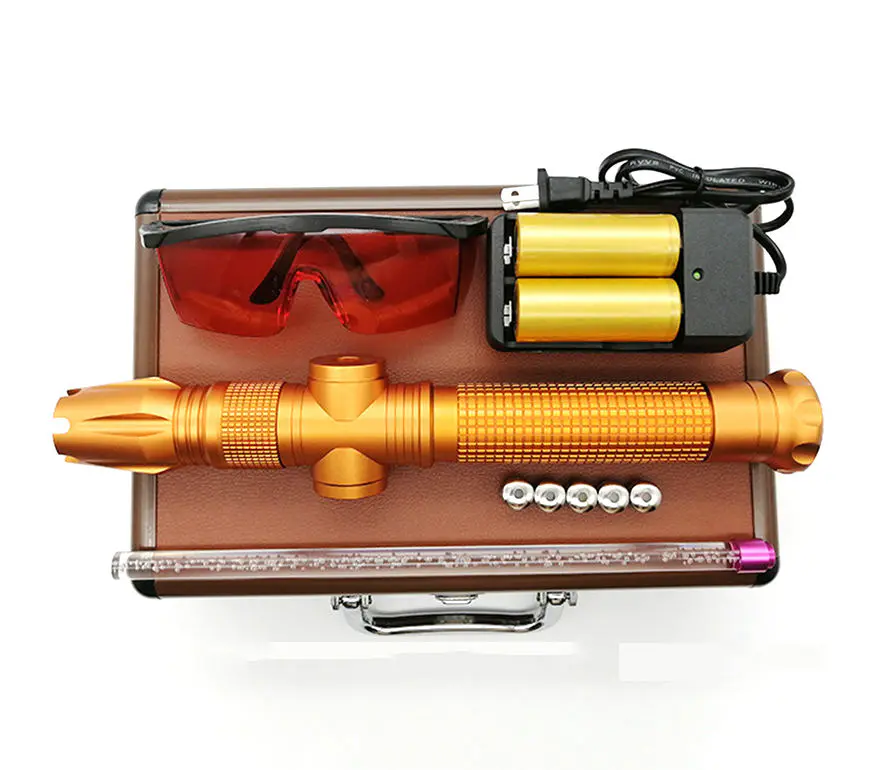
The G019 combines a real 4W blue or 2W green focusing laser with a transparent beam extension tube that glows along its length, creating a true lightsaber visual effect. This review covers both variants, the tube physics, focus mechanism, battery platform, and who this flagship laser is actually for.

A buyer's guide comparing 7 laser pointer models from $79 to $269. Blue for thermal applications and green for astronomy — with verified specs, battery platform breakdowns, and how to spot fake power claims before you buy.

NIST found 90% of green lasers exceed their labeled power. This guide explains the five real power tiers, what each can actually do, why the same mW can mean completely different things, and how to match power to your actual use case.

A country-by-country breakdown of laser pointer ownership laws, use restrictions, and customs risks — covering the US, UK, Australia, EU, Canada, and Switzerland. Based on government sources, court records, and real-world shipping experience. Updated for 2026.

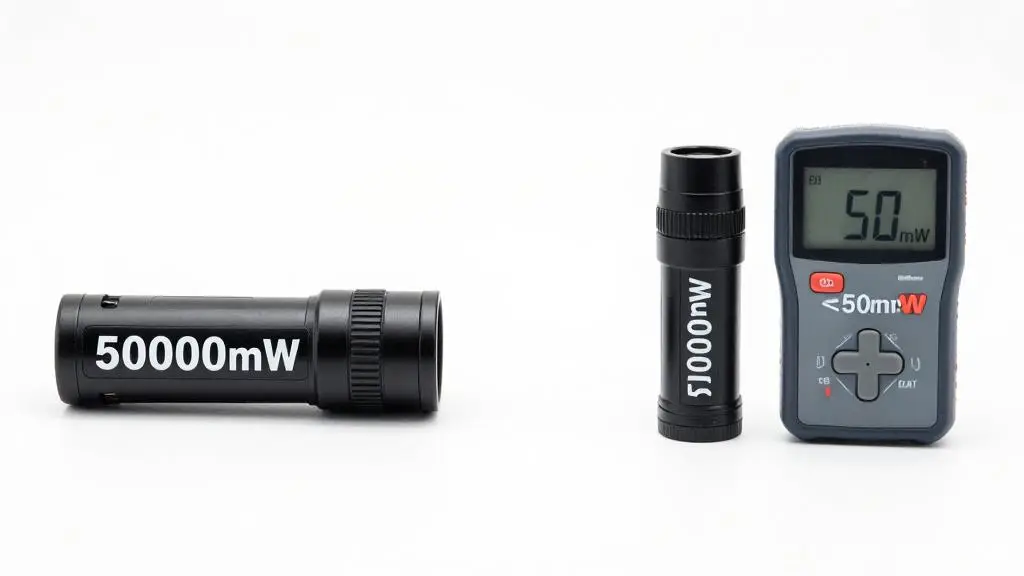
Tired of fake 5000omw claims? We compare real specs that matter - beam stability, cooling, and build quality - with hands-on recommendations for B017 and B018.

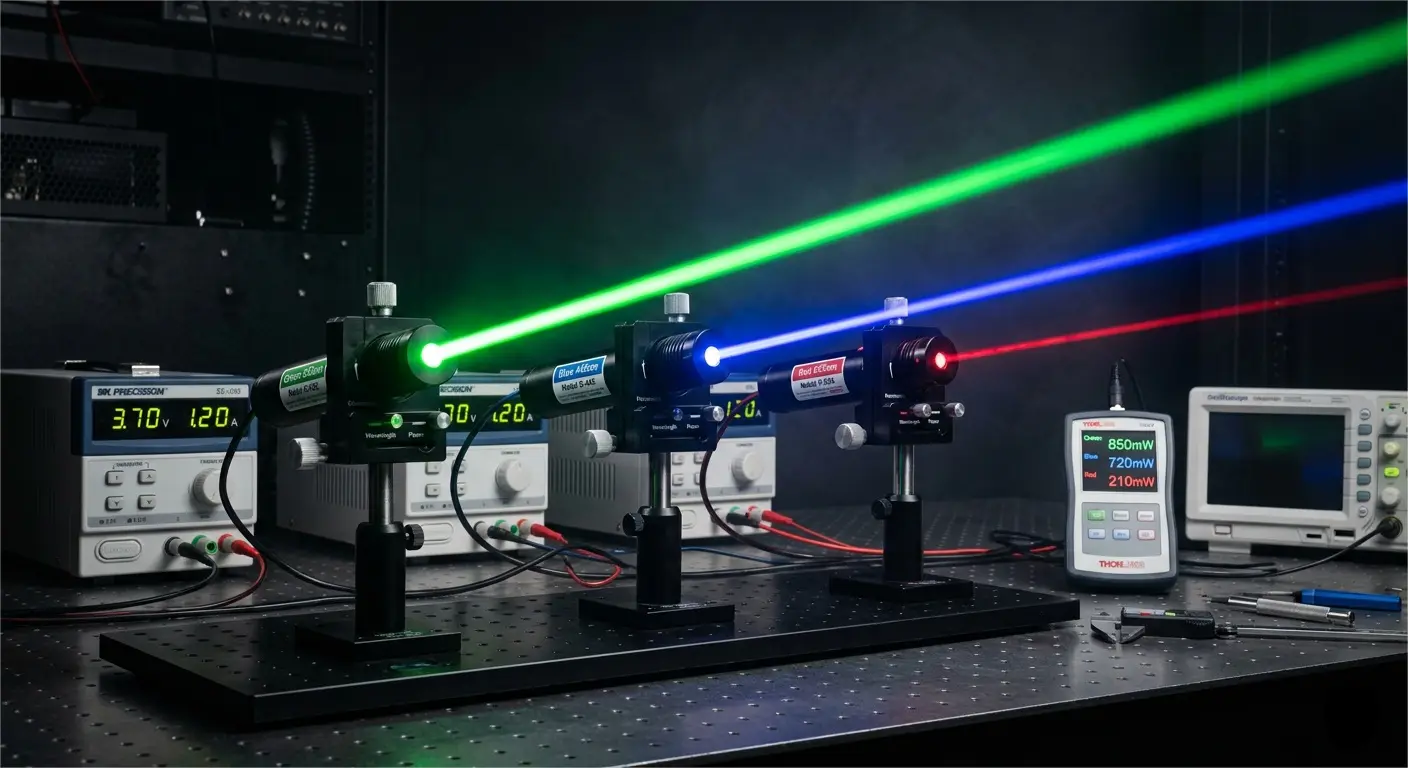
Confused about high-power laser pointers? This in-depth guide compares 1000mW, 5000mW, and 10000mW lasers across real-world performance, color differences (green vs blue vs red), wavelength choices (520nm vs 532nm), practical use cases from astronomy to burning experiments, and critical safety and legal regulations. Whether you're a beginner or an experienced enthusiast, find out exactly which laser is right for your needs — backed by FDA guidelines and CIE photometric data.

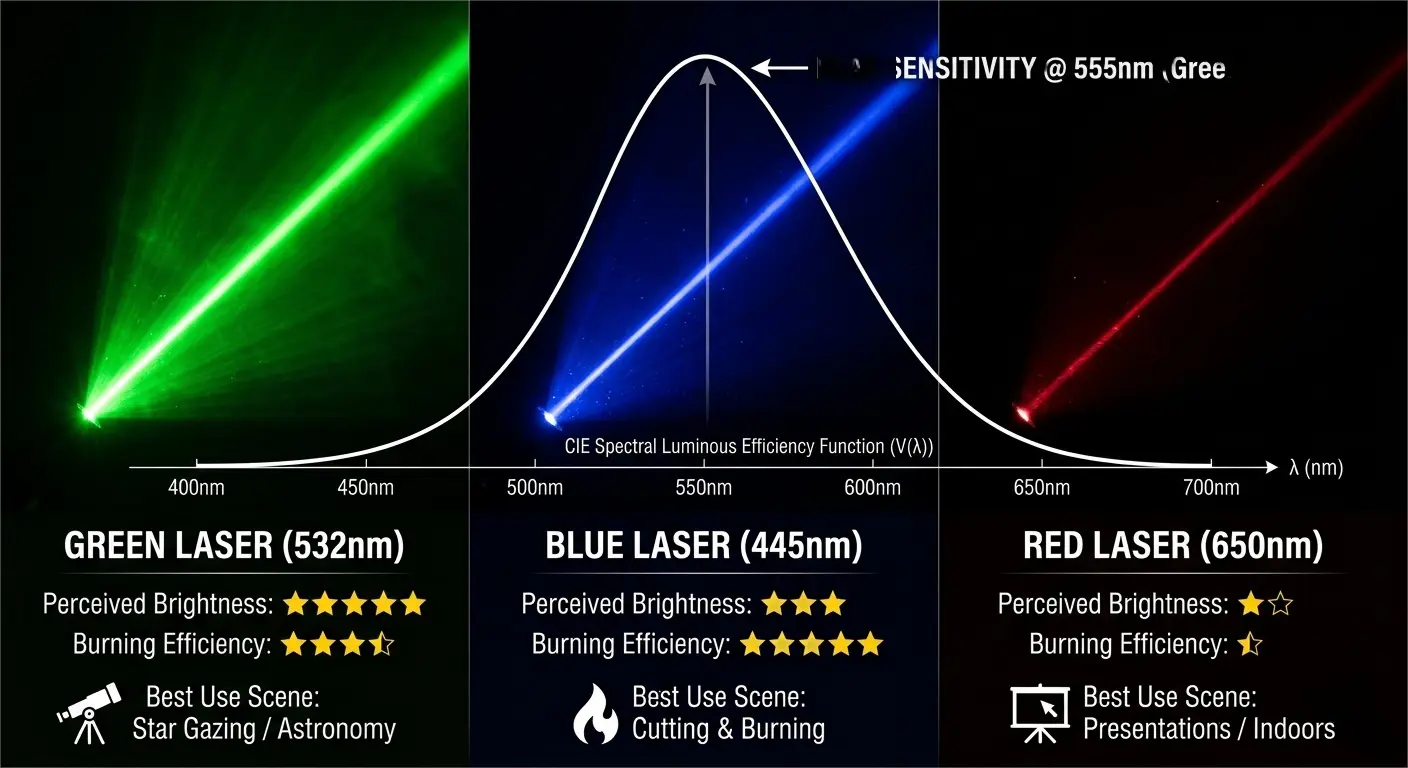
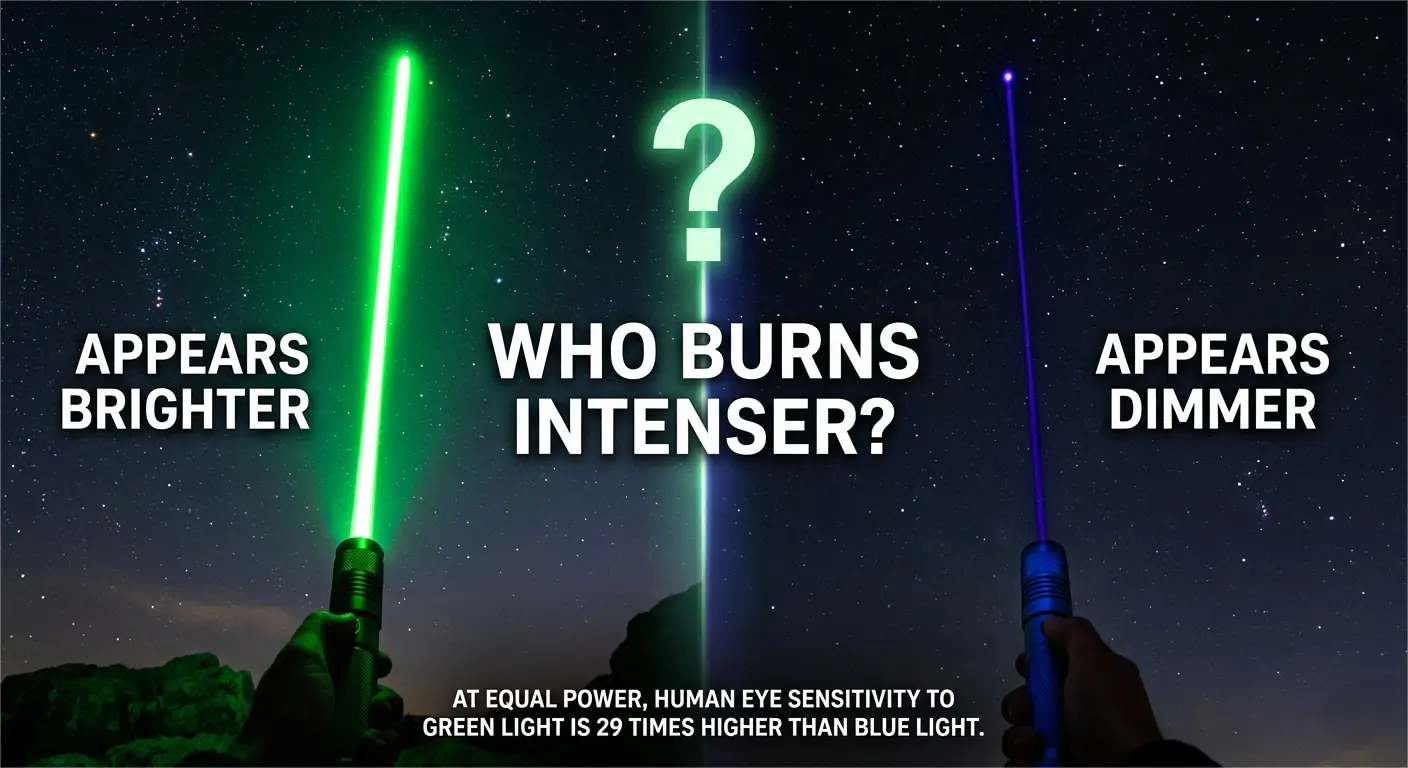
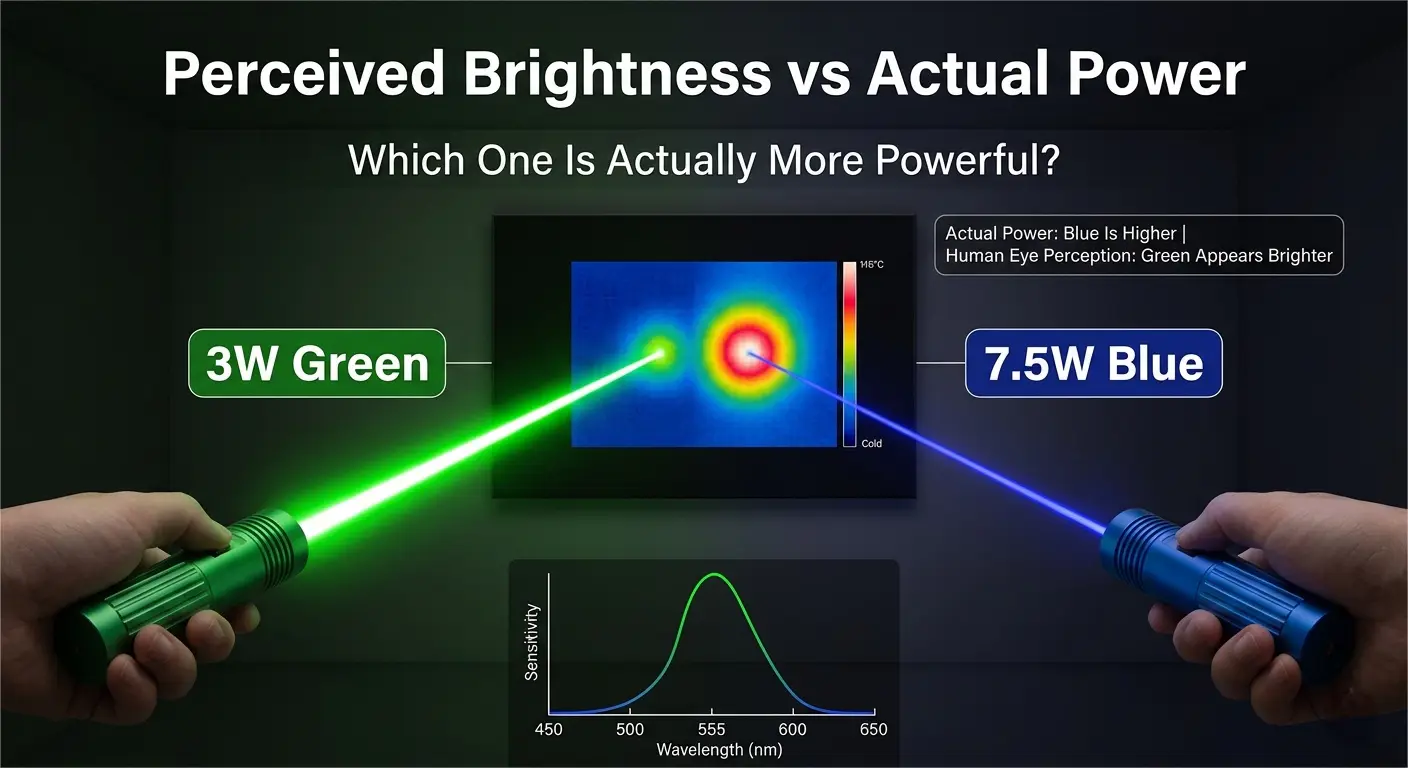
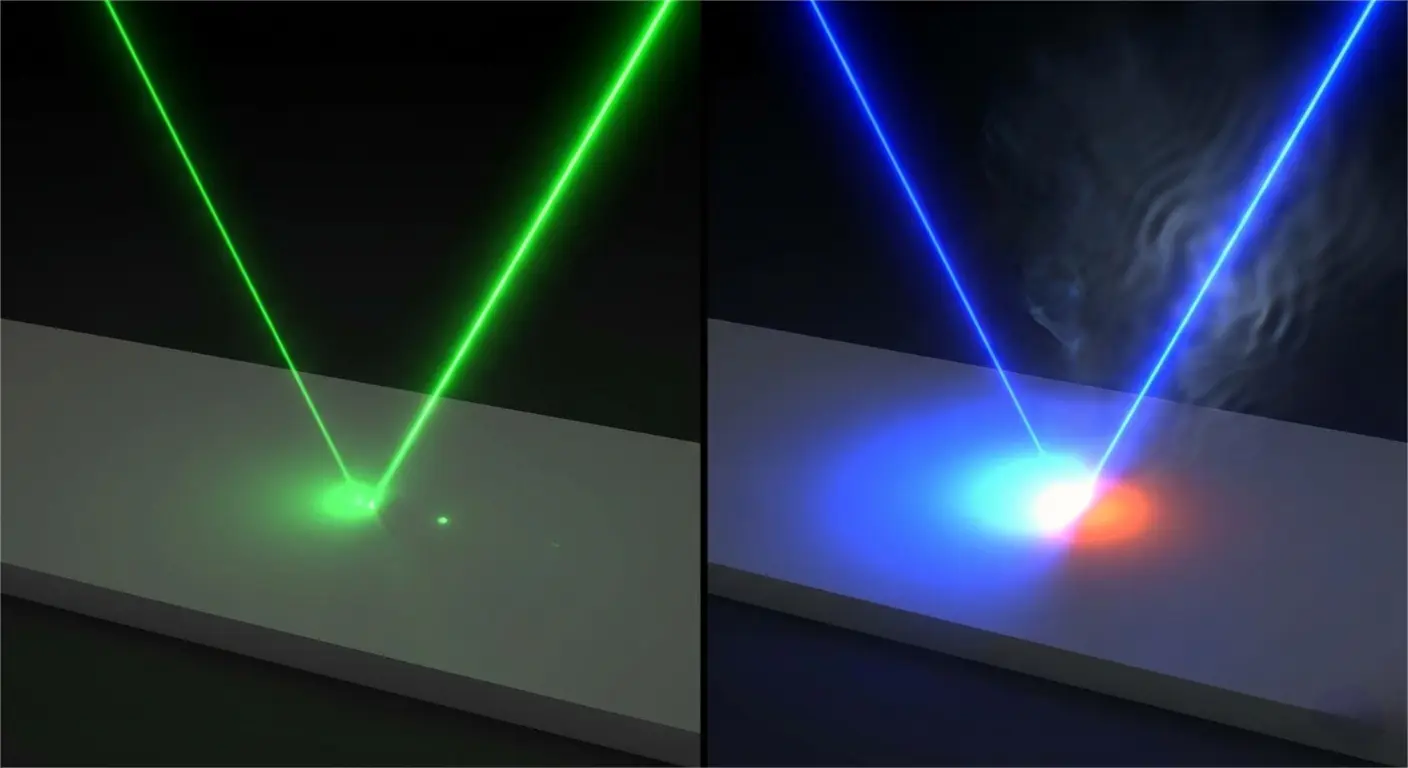
Green lasers look up to 10–30× brighter than blue—but still lose in burning tests. This guide explains why, using real physics, power thresholds, and material absorption data.

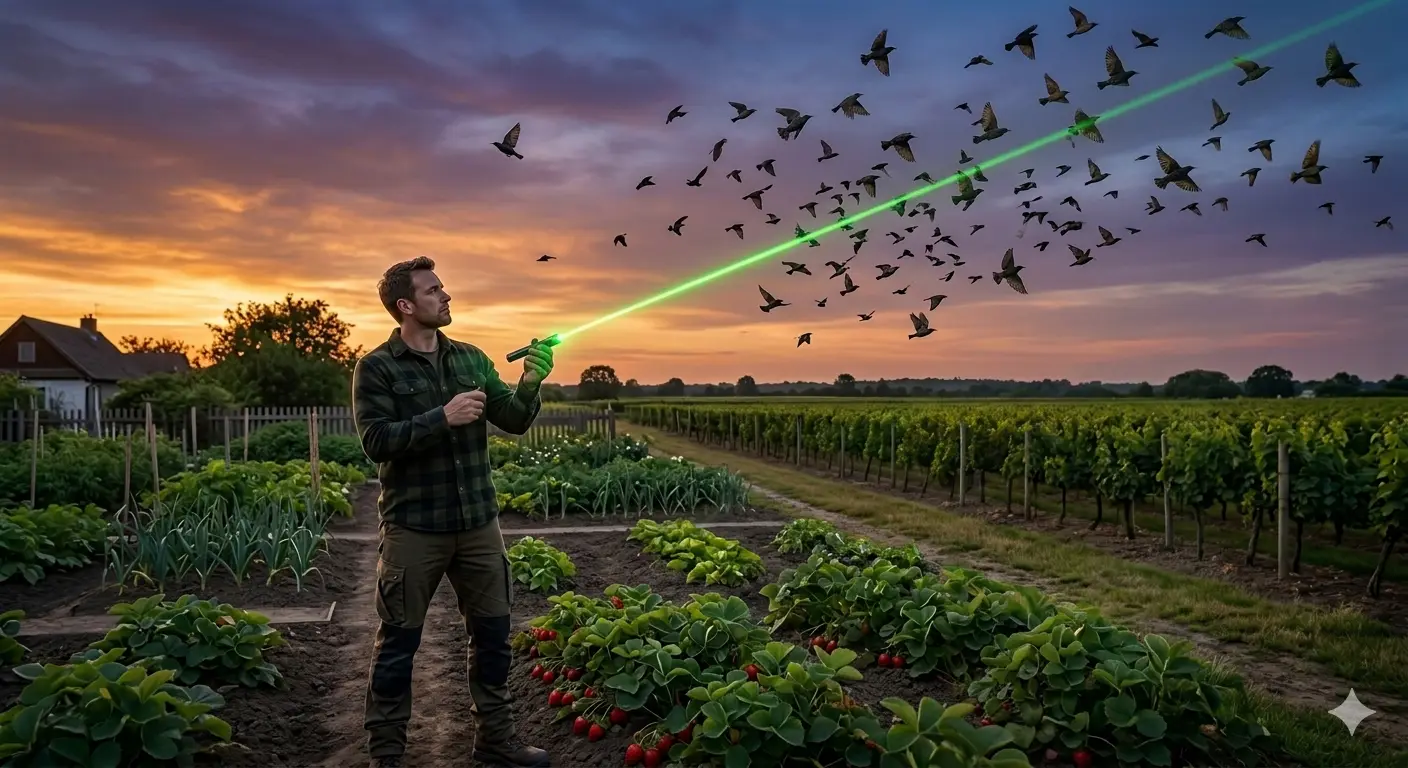
Birds stealing bait or fish while fishing is more common than most anglers expect. This in-depth guide explores whether green laser pointers actually work for bird deterrence, backed by real user experiences, scientific research, and practical usage tips.

Not sure if you should buy a cheap or expensive laser pointer? Discover the real differences—when low-cost models are smart, when it’s worth investing in premium, and how to choose the right laser pointer based on your needs, safety, and value.

Most laser pointers under $100 lie about their power. We break down what actually matters — wavelength, beam quality, and thermal design — so you don't waste money on fake specs. Plus: our top pick in the $50-100 range.

A data-driven guide to high power handheld laser pointers covering architecture differences, duty cycle constraints, compliance failure rates (74% of lasers fail tests), and a decision matrix for choosing between DPSS and direct diode technologies.

Not all “strongest handheld laser pointers” are actually powerful—or even honest. This guide breaks down what “strongest” really means, why many high-power claims are misleading, and what experienced users actually look for before buying.

A complete guide to choosing the best laser pointer for burning, focusing on real output, beam stability, safety risks, and why most high-power lasers are mislabeled. Learn what actually matters before buying.
Why are Nichia diodes considered the gold standard in high-end blue lasers? This guide explains real-world differences in beam quality, stability, lifespan, and optical efficiency—beyond marketing specs.

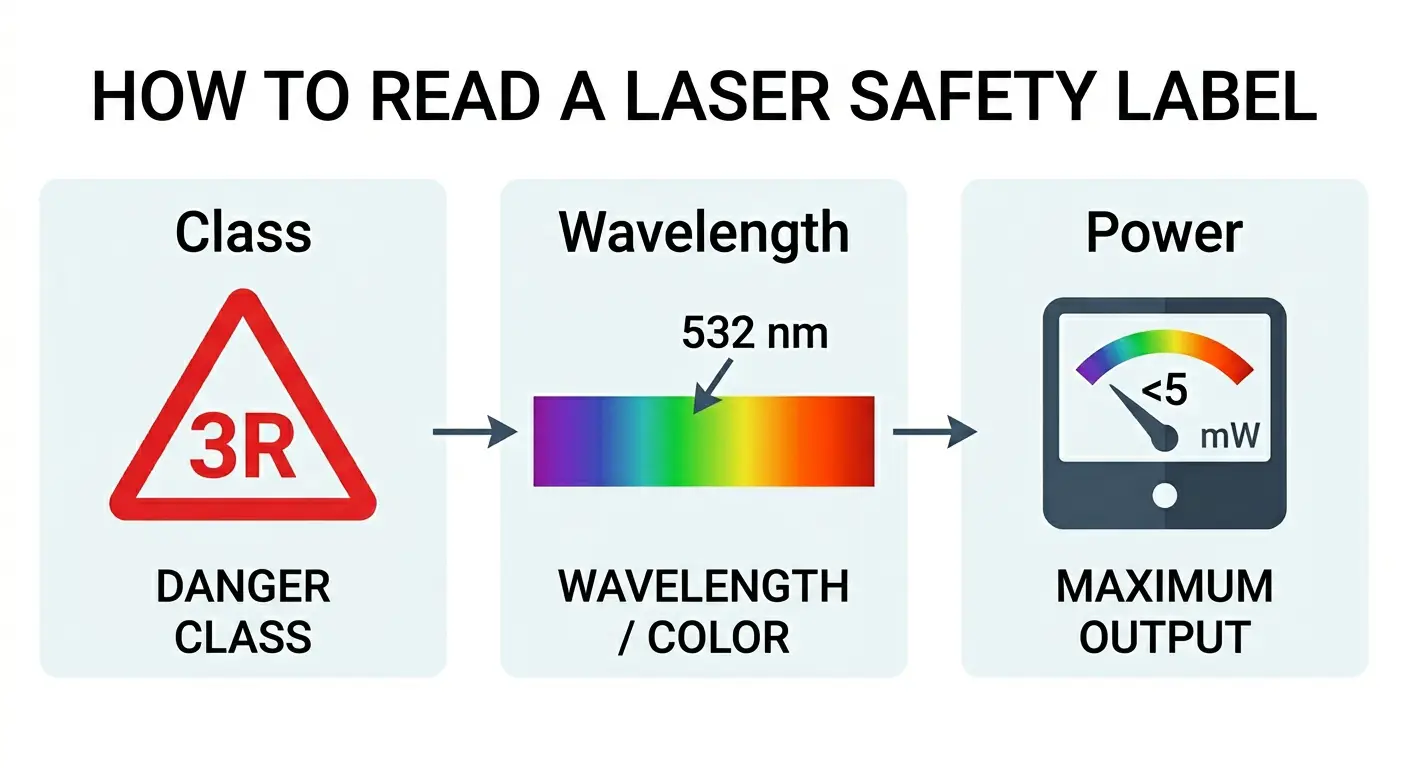
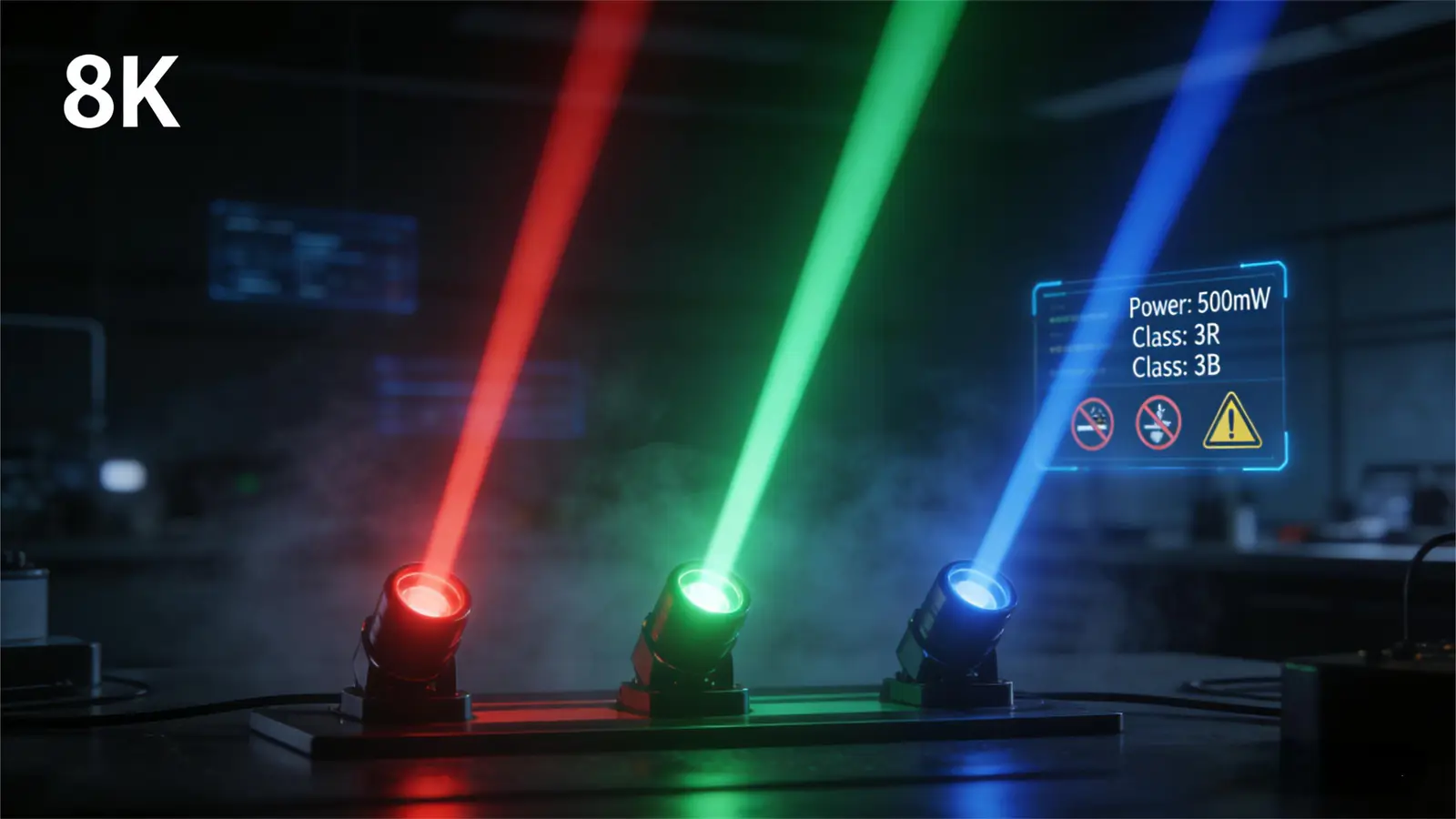
Confused by laser labels? Learn how to decode Class, wavelength (nm), and power (mW) to assess real safety risks and spot red flags before you buy.

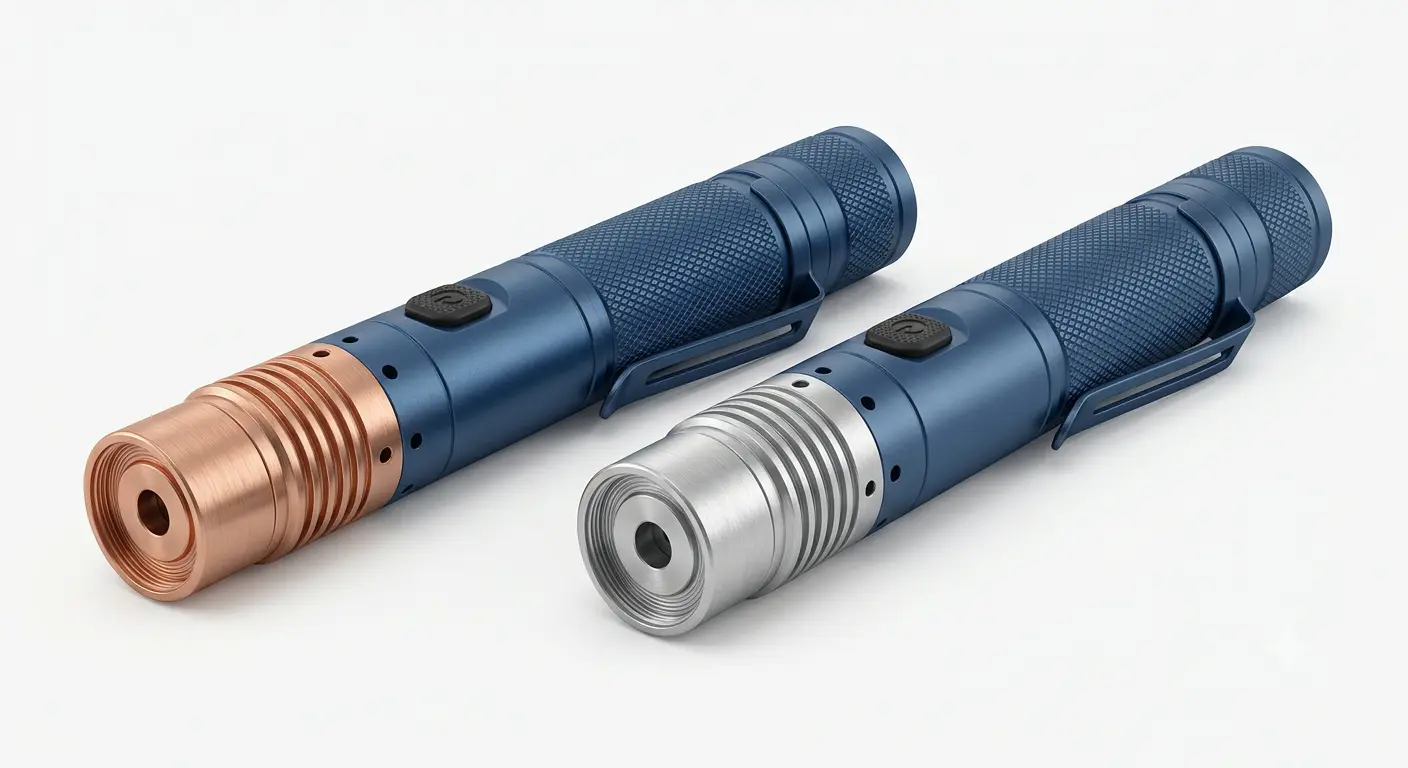
Compare copper vs stainless steel laser housings for high-drain lasers. Thermal conductivity data, NASA 10°C lifespan rule, and what reviews won't tell you about shell vs heatsink design.

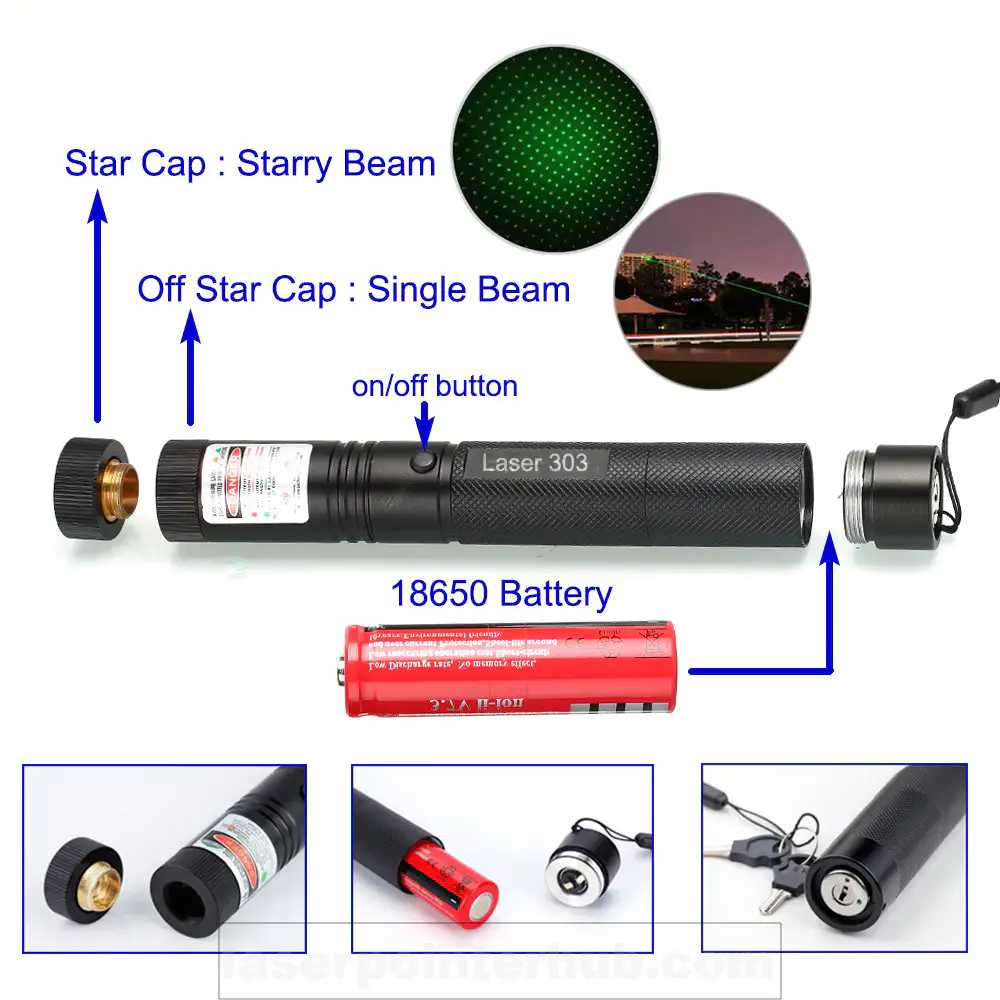
Both 301 and 303 are popular green laser pointers. Learn the key differences in head design, focusing capability, power accuracy, and which is better for your use case.

Do laser pointers deter birds? This research-backed guide covers real effectiveness data (85–98%), habituation risks, safety concerns, and cost comparisons for growers and gardeners.

Learn when lasers work for SOS signaling, how beam shape matters more than power, the legal risks of aiming at aircraft, and the right tools for emergency use.

Summary: Discover what constitutes a high power laser pointer, how dangerous each class really is, and what safety measures actually work. Includes green vs blue vs red comparison, legal limits, and buying guide.

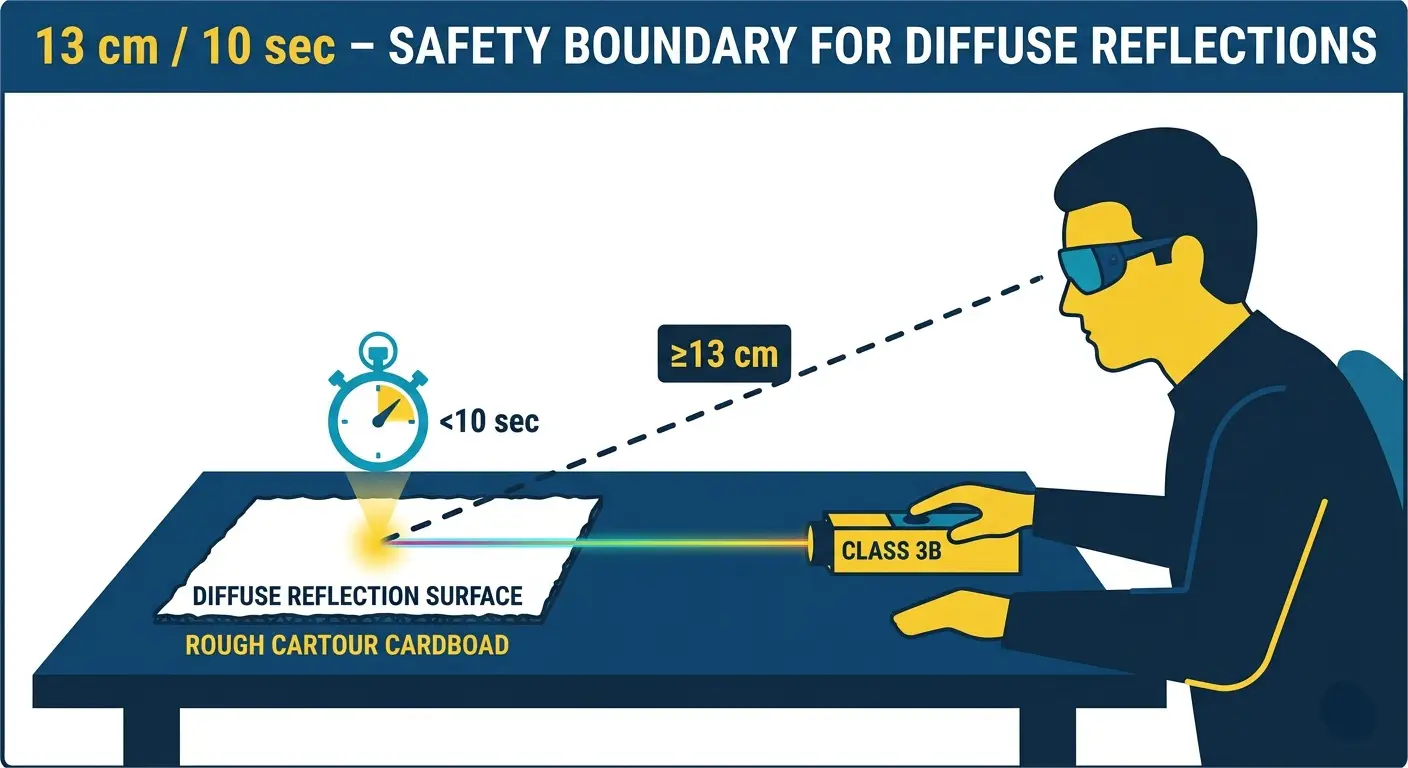
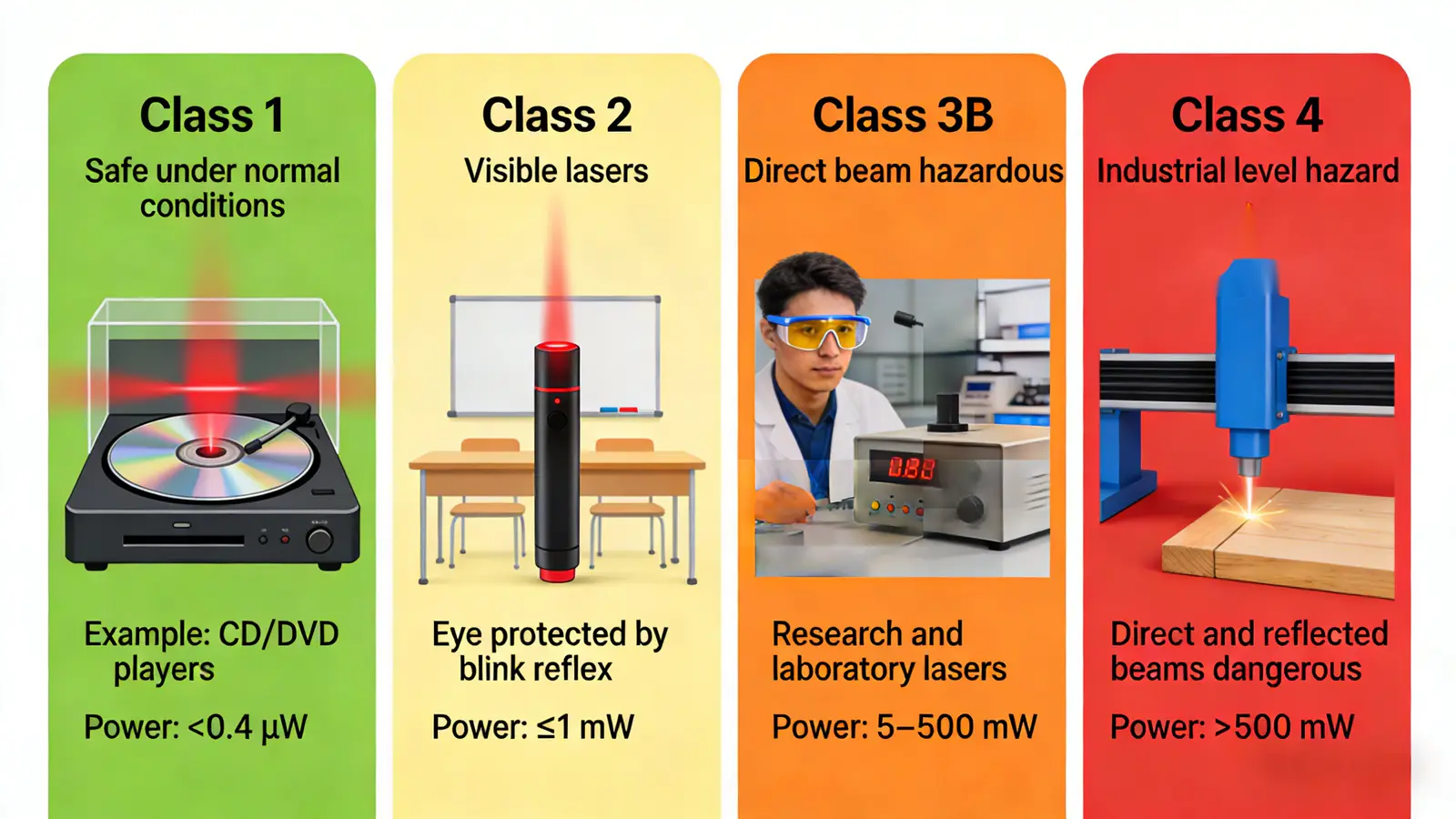
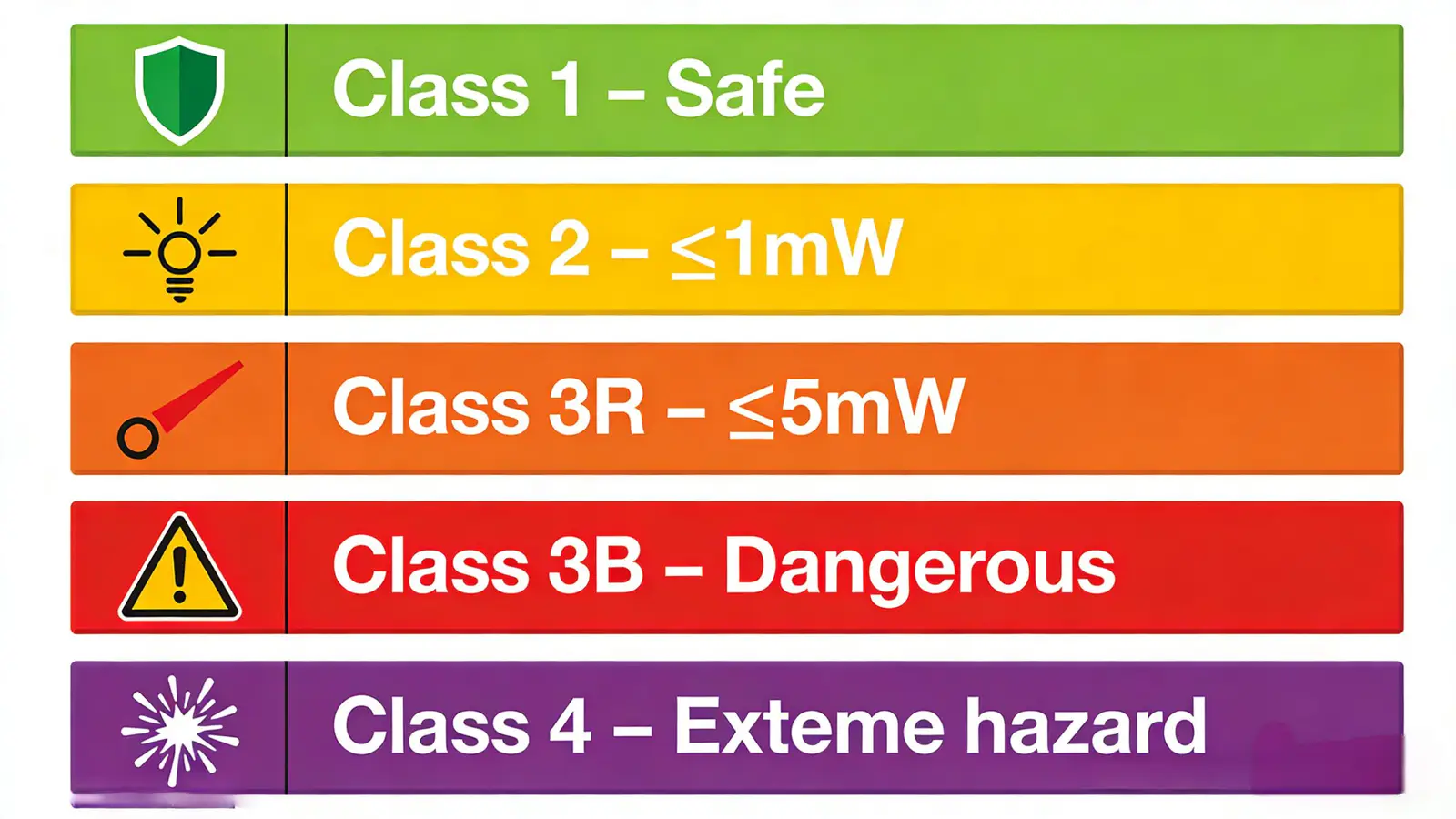
A data-backed guide to safely using Class 3R and Class 4 laser pointers. Learn the critical differences between laser classes, exposure limits, reflection hazards, and why "looking safe" doesn't mean safe.

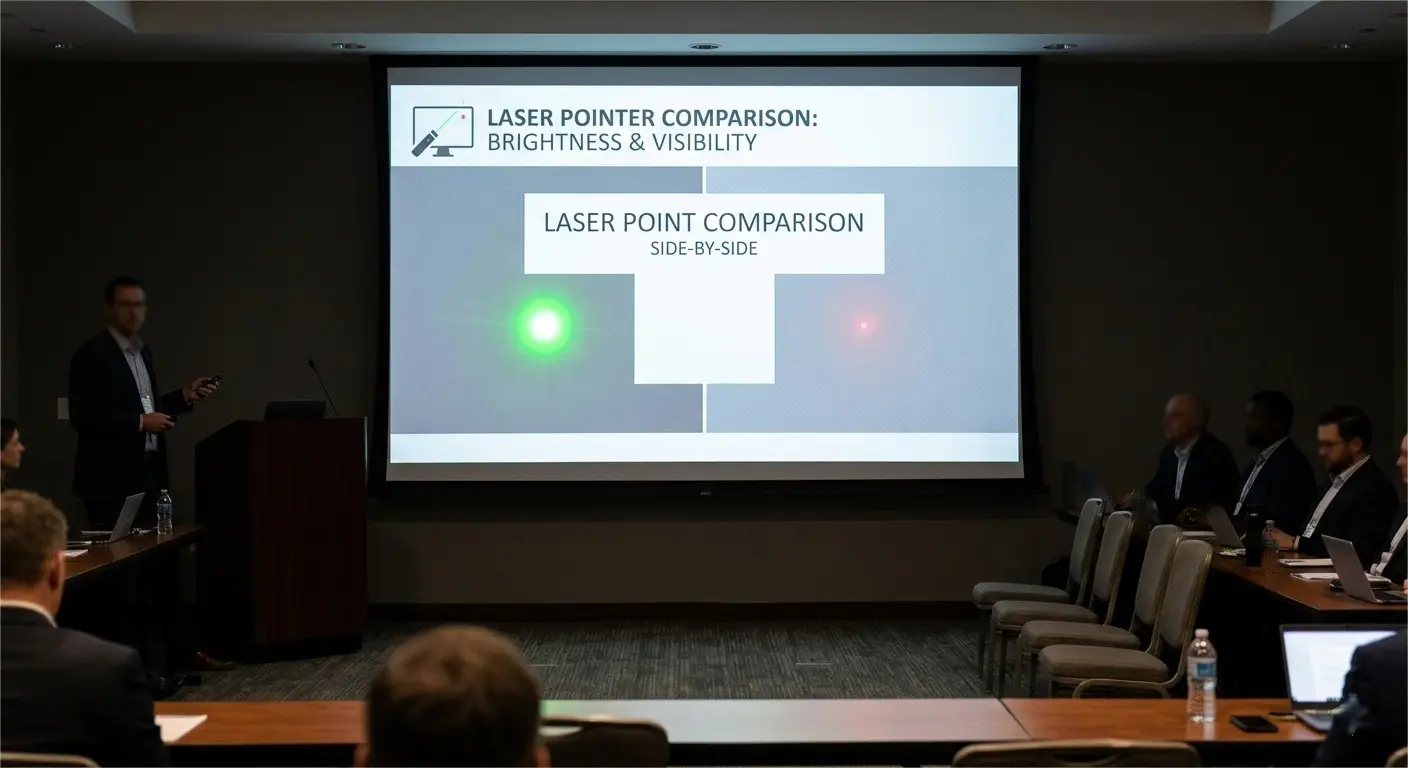
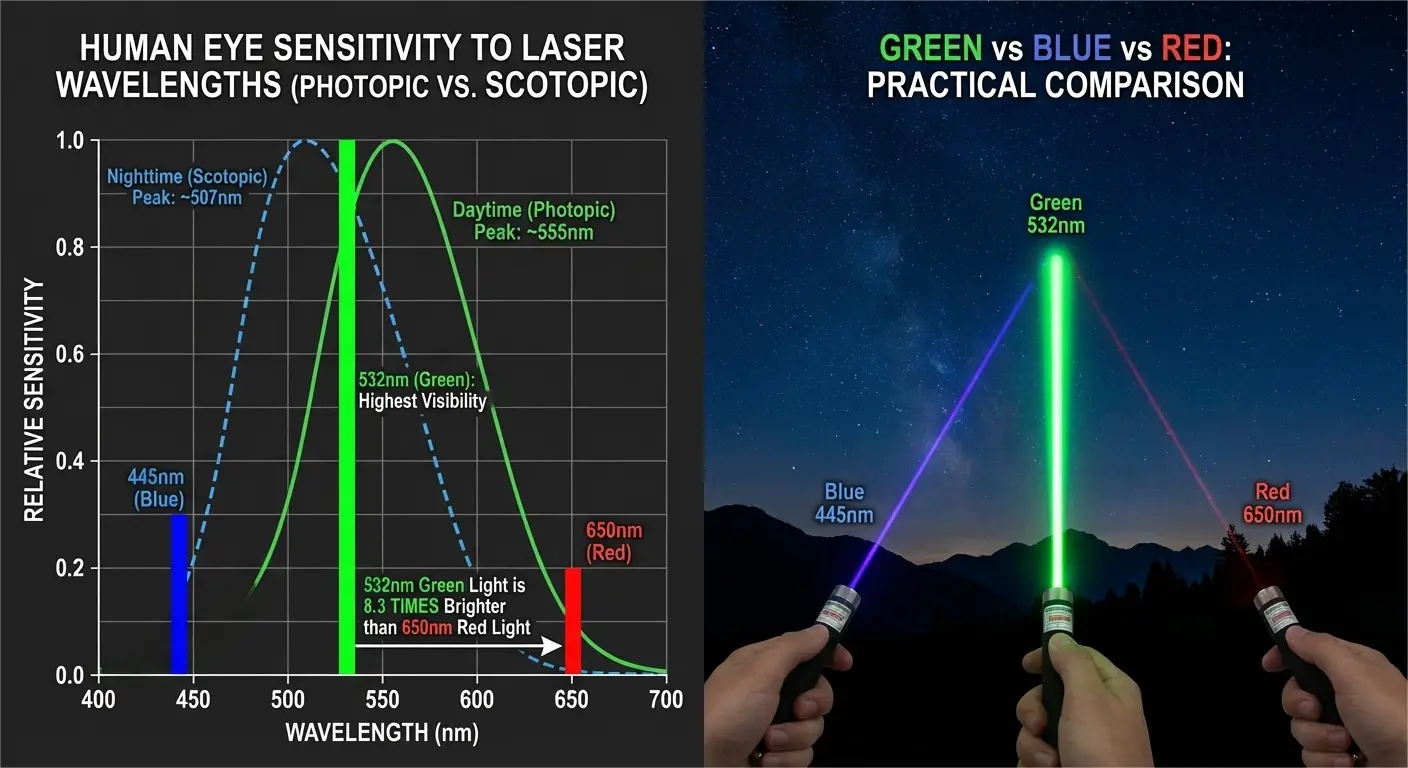
Green lasers are brighter—but not always more visible. This guide explains the real physics behind V(λ), DPSS safety risks, LCD polarization issues, and how to choose the right laser pointer for presentations.

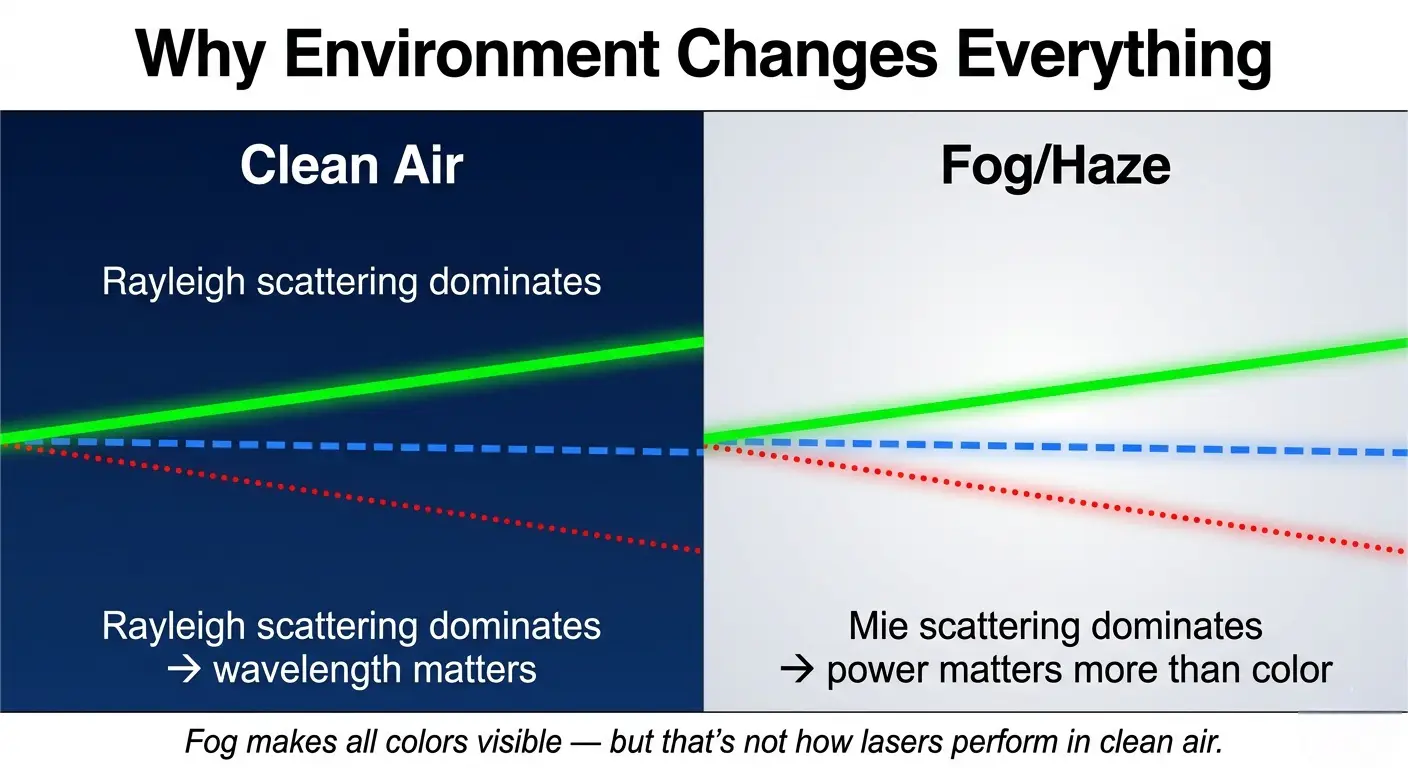
Discover why green lasers appear brighter, how Rayleigh scattering differs from Mie, and why beam visibility depends on more than just color. Data-backed guide.

Most consumers believe a high-power laser pointer is simply a brighter version of a standard model. The reality is far more complex—and dangerous—than the packaging suggests.

Understand the key differences between 532nm DPSS and 520nm direct diode green lasers. Learn which offers better beam quality, stability, and safety for your application.
Battery voltage affects laser pointer brightness differently depending on driver type. Constant current drivers maintain steady output while resistor-only designs tie brightness to voltage—and risk overvoltage damage.

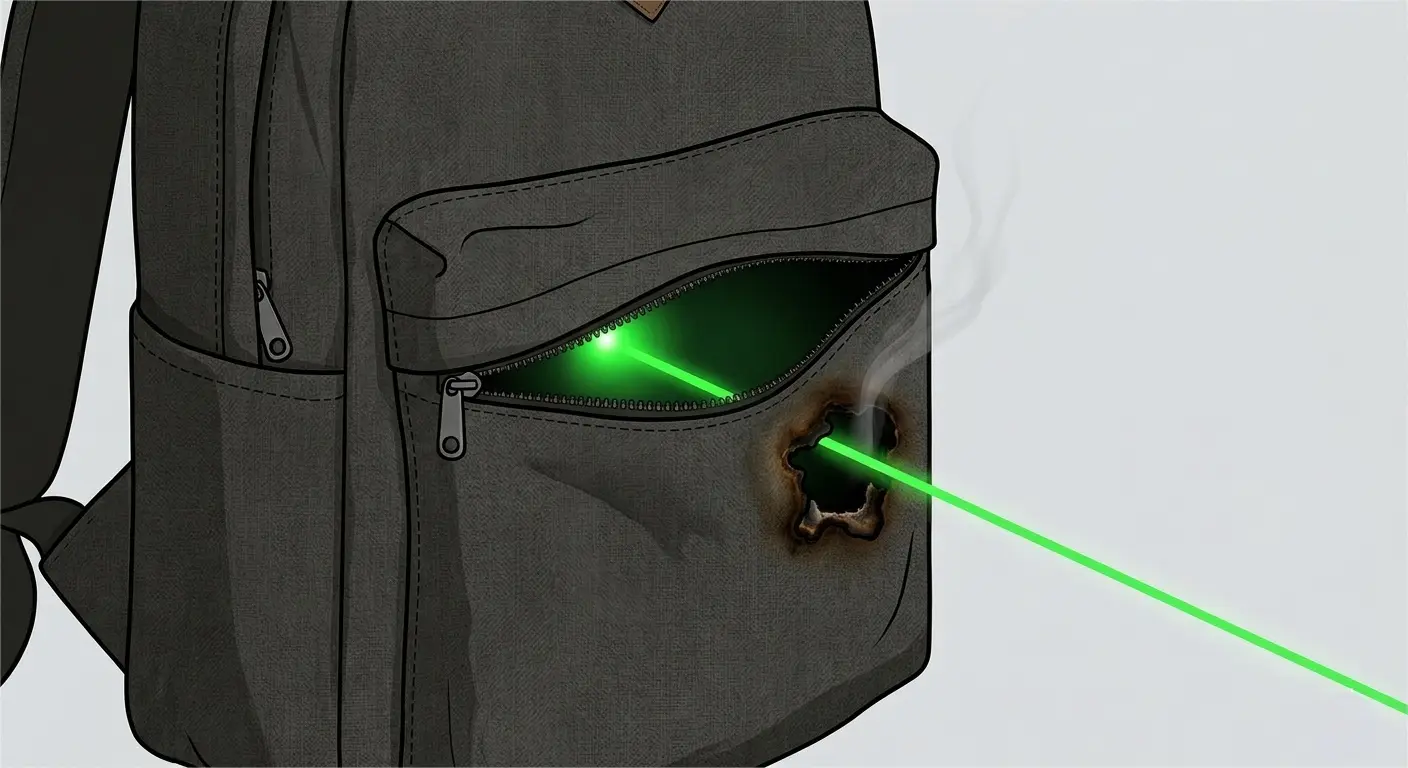
Learn TSA and FAA rules for carrying laser pointers, how to prevent accidental activation that burns bags, and safe long-term storage—backed by real user stories and official guidelines.

Bought a cheap laser pointer that died after a few uses? It's not your fault—it's poor thermal management. This article uses real user stories, teardown videos, and physics to explain how lasers get “cooked” and gives you 4 practical tips to choose a durable one.

Blue lasers are often perceived as more effective at producing visible thermal effects on materials, but the real reasons behind this are material absorption, beam focus, and power output. Discover how these factors influence laser performance and why more visible doesn't mean more dangerous.

Discover the best laser pointer color for stargazing based on scientific data, real-world testing, and astronomy community experience. Learn why green lasers dominate, when blue works better, and why red is rarely used.

Think you bought a 50000mw handheld laser? Think again. This guide breaks down real laser power, the infrared leak trick, and the easiest ways to spot a fake spec before you waste money.

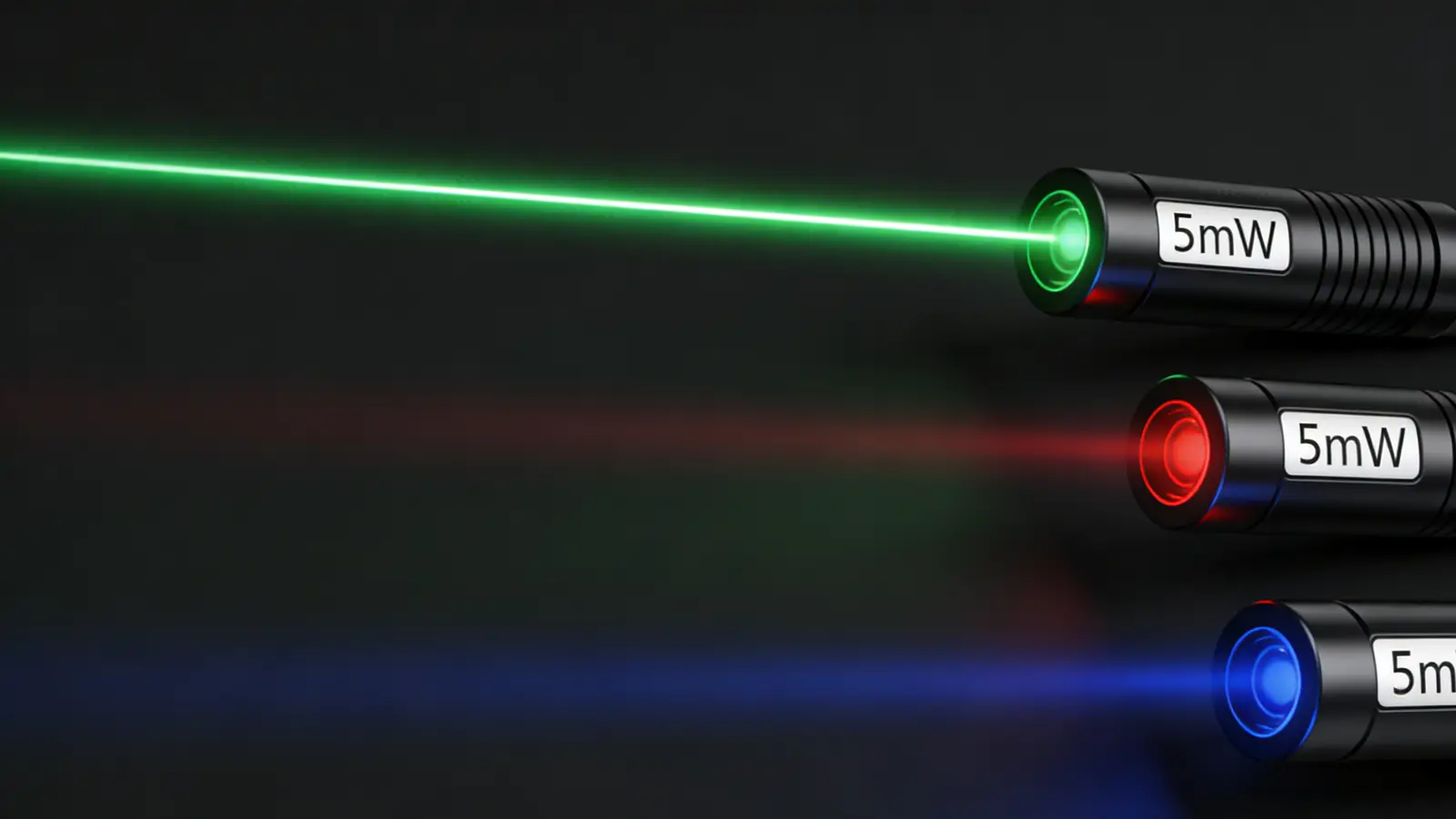
Understand what mW means in laser pointers, how power affects brightness and safety, and how to choose the right laser for your needs.

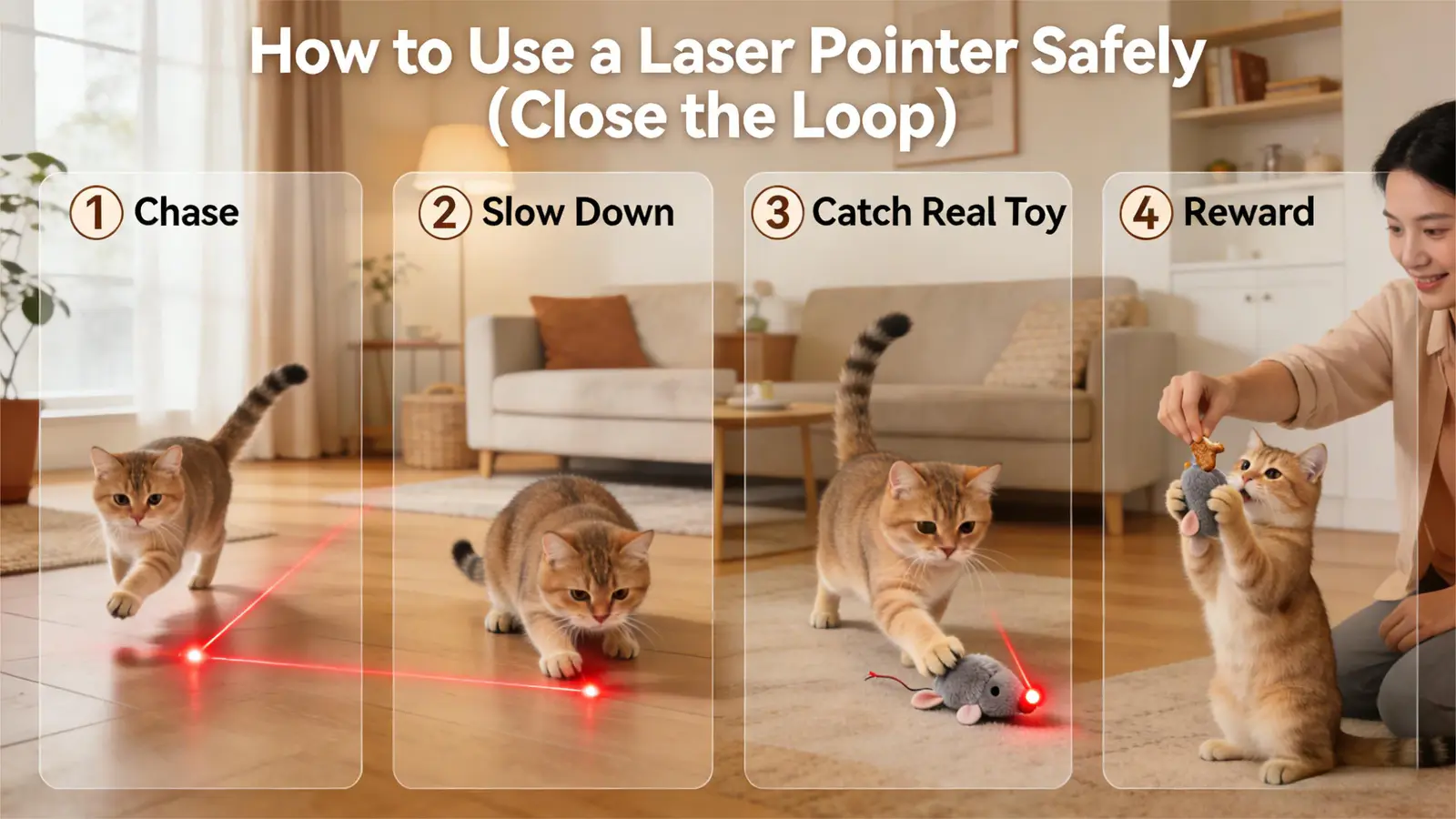
Are laser pointers bad for cats? The truth is more complex. Learn about laser pointer syndrome, eye safety risks, FDA laser regulations, and how to safely play with your cat using a certified red laser pointer under 5mW.

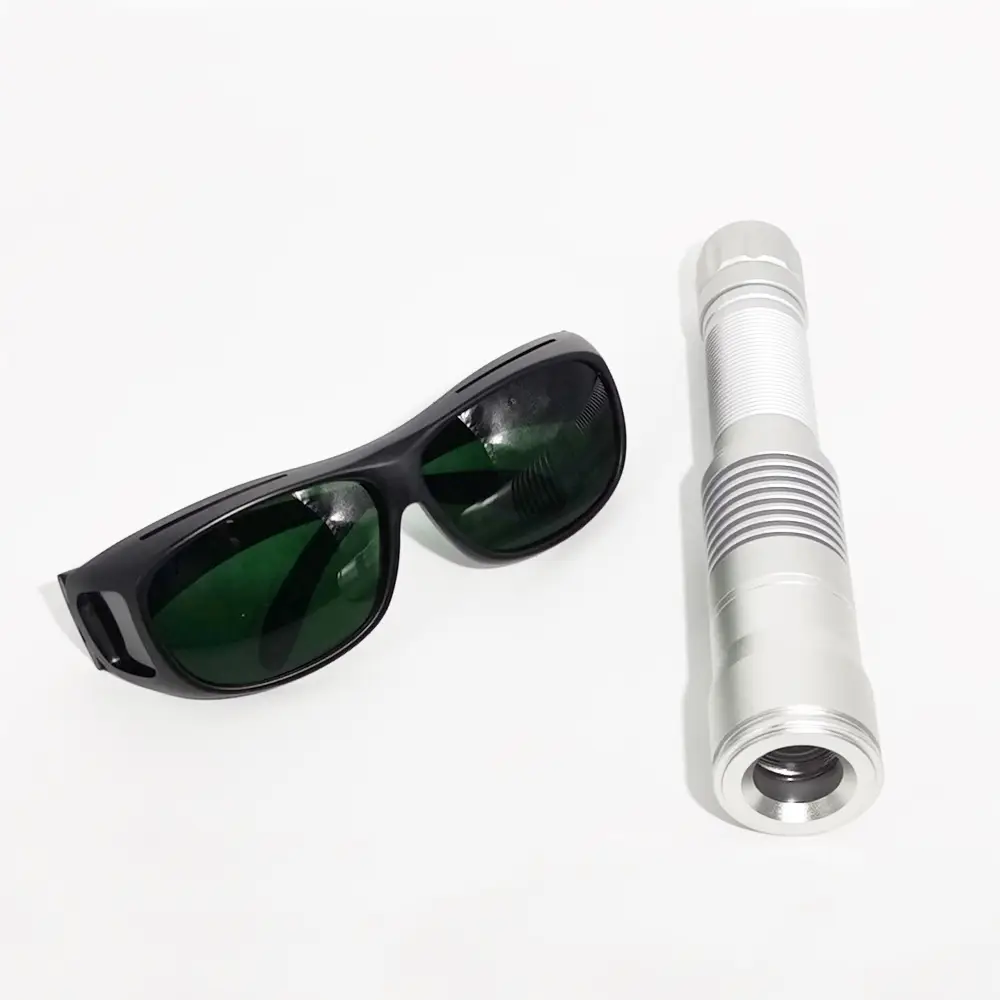
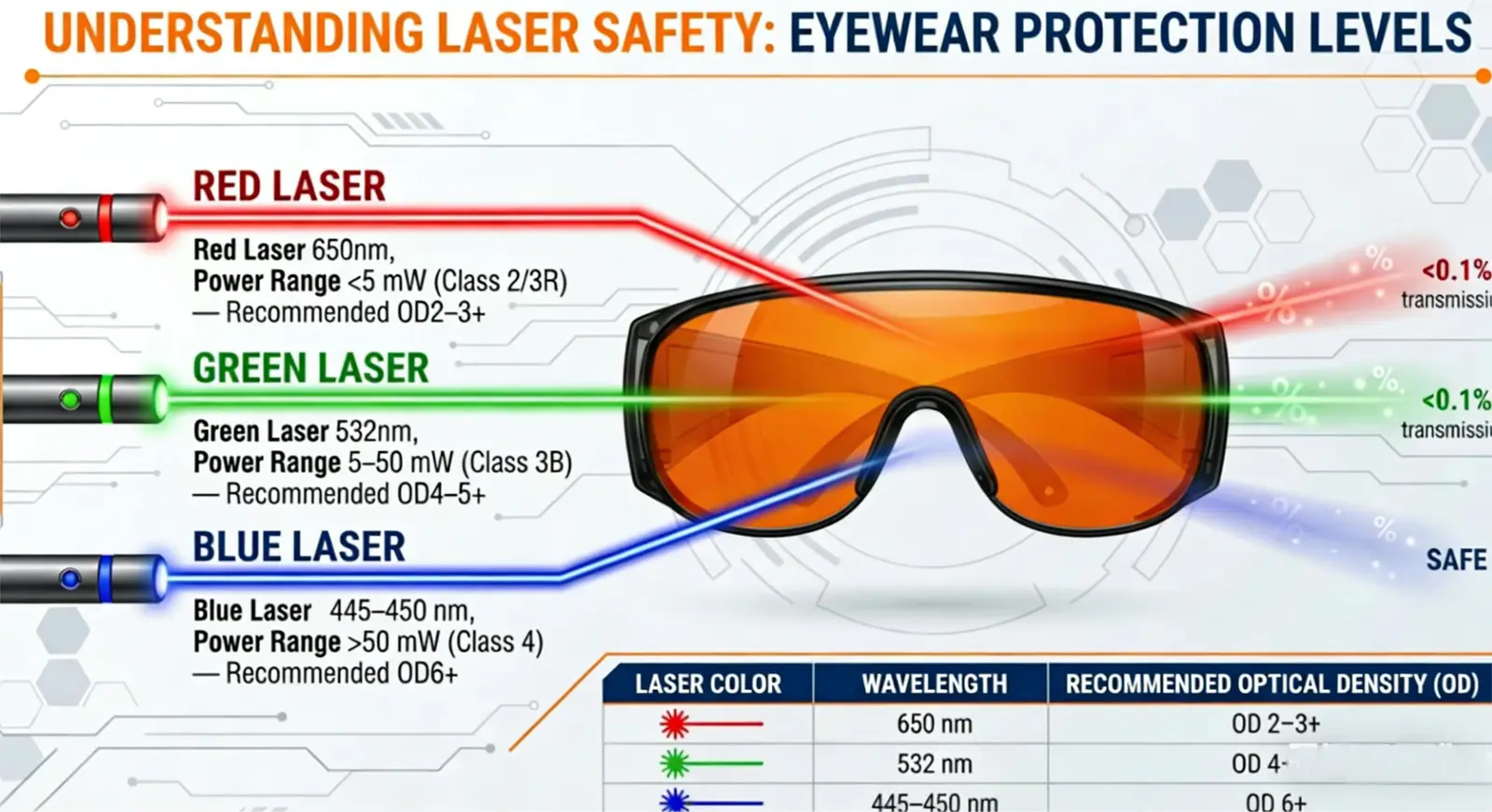
Learn how to choose the right laser safety glasses for laser pointers. This guide explains wavelength matching, optical density (OD), laser classes, and recommended protection levels to prevent eye injuries.

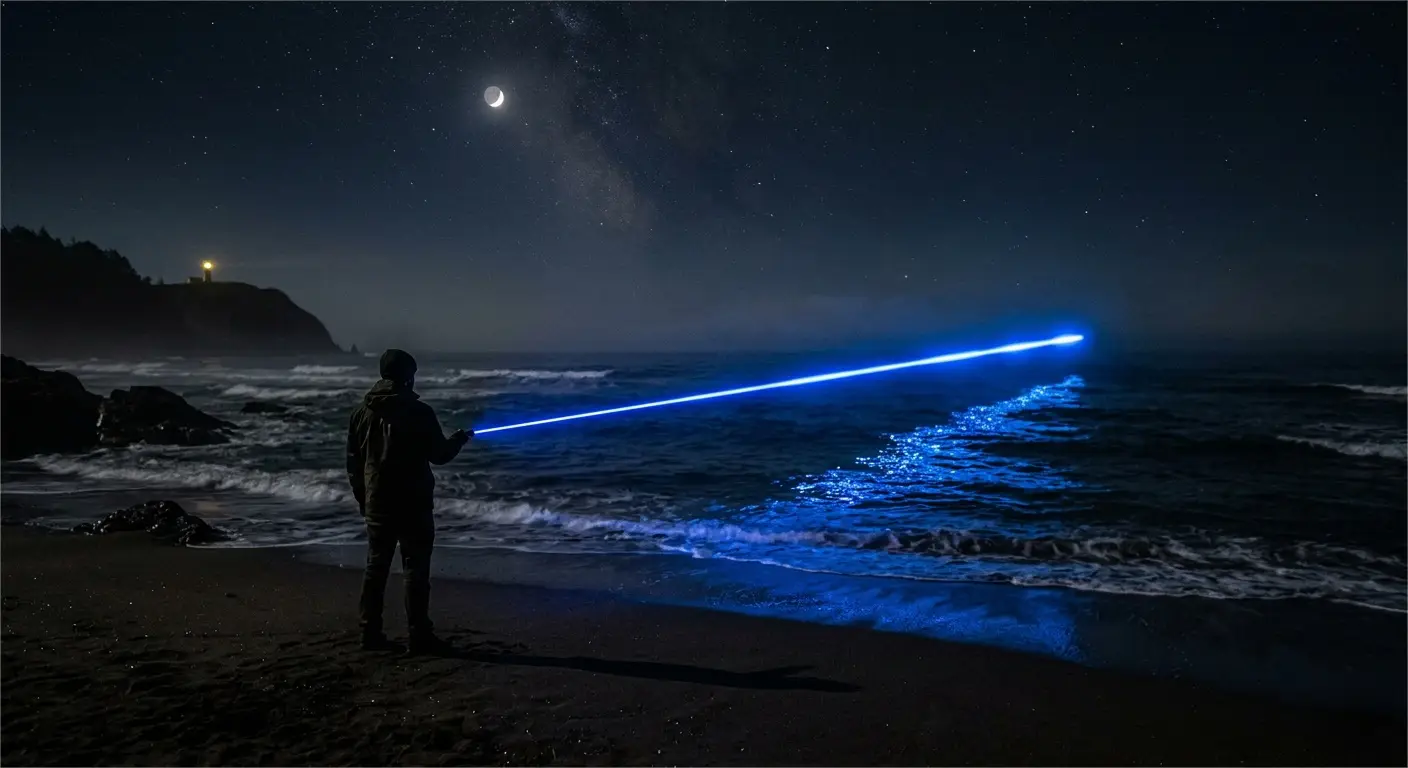
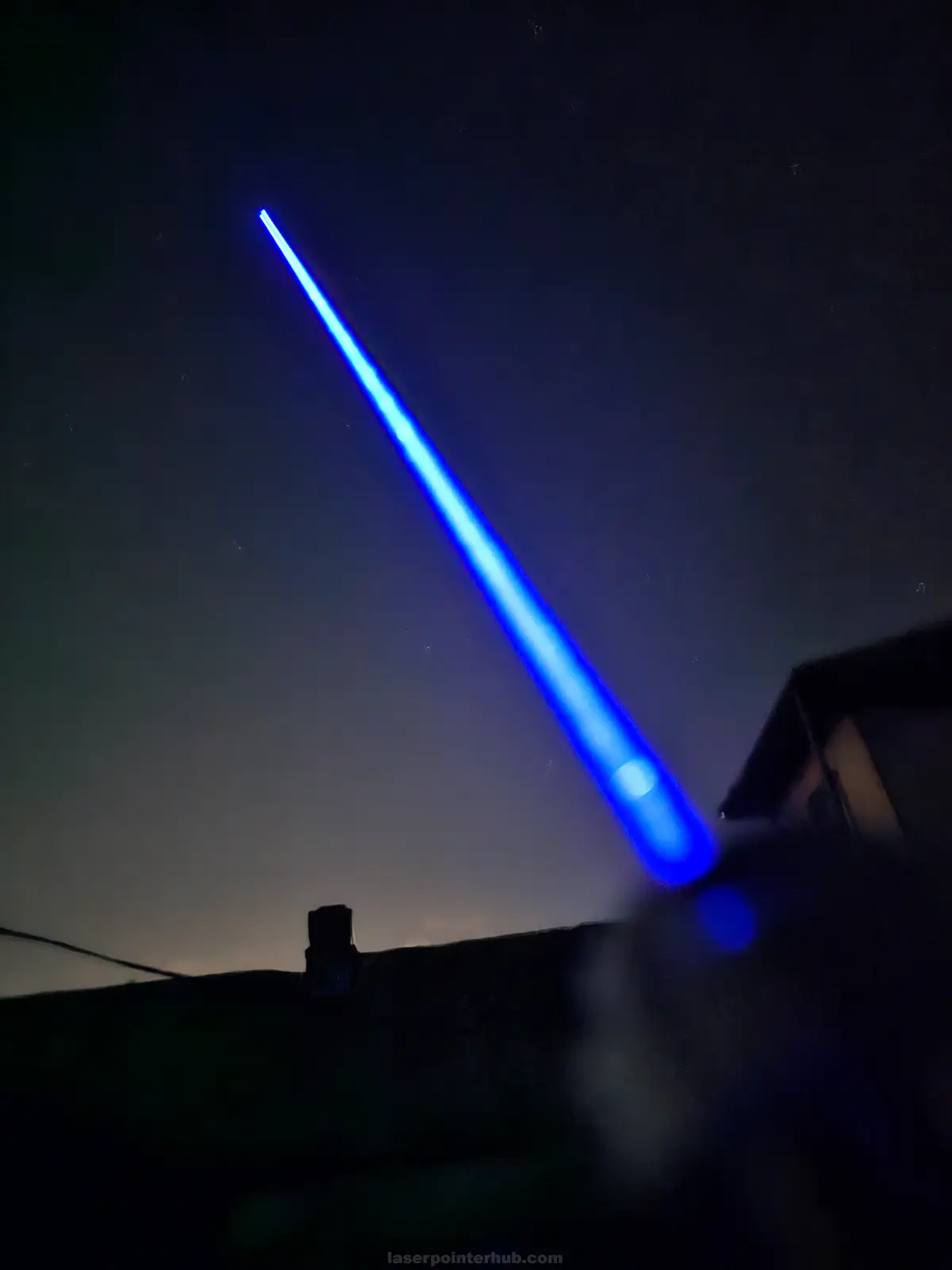
High-power blue lasers can burn materials, engrave wood, and travel hundreds of meters — but they also carry serious safety risks. This guide explains why Class 4 lasers are hazardous, how blue light damages the retina, and what safety precautions every laser user must understand.

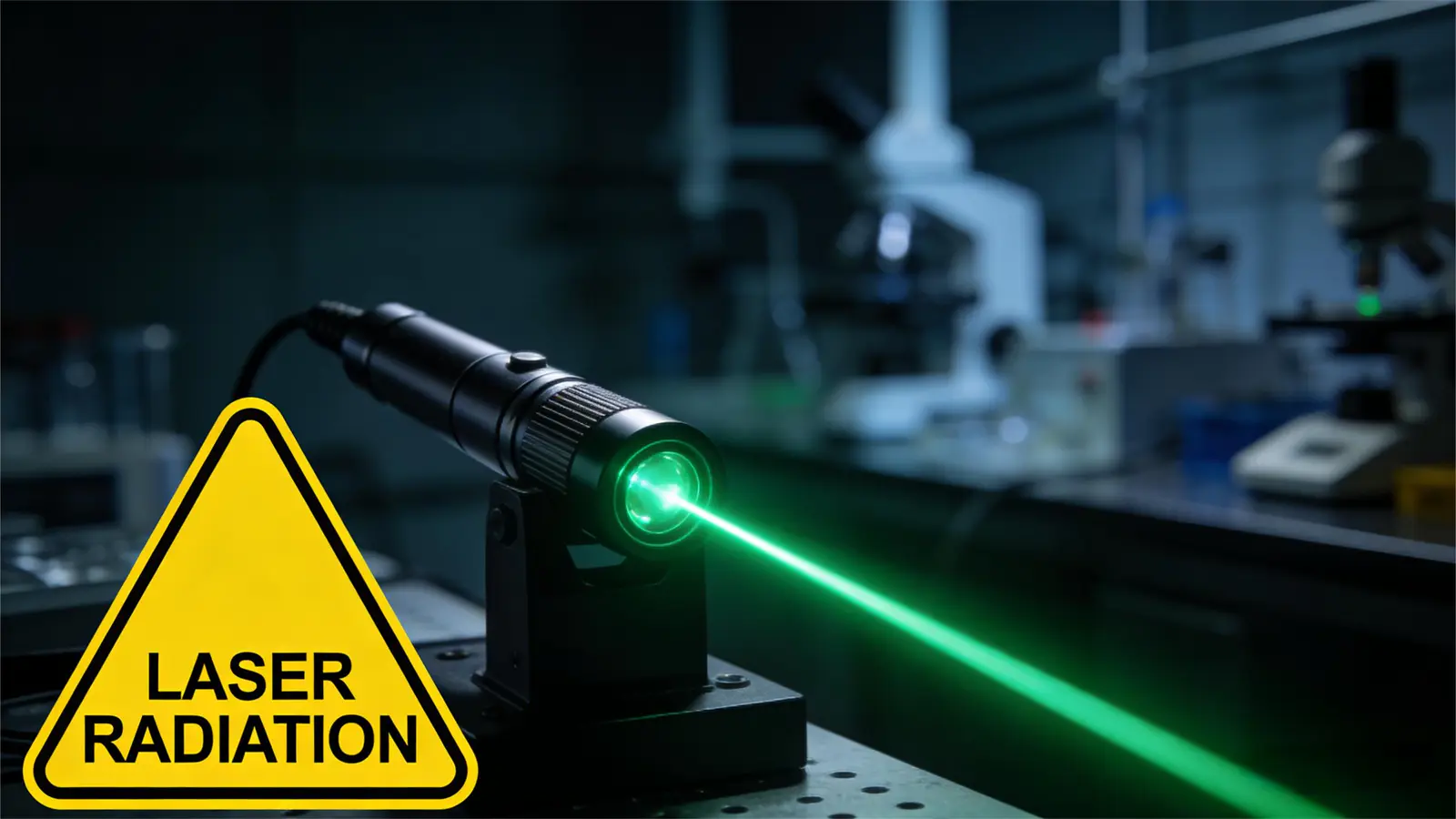
Laser pointers may look harmless, but powerful beams can permanently damage the retina in milliseconds. This article explains how laser eye injuries happen, why many online lasers exceed legal limits, and what to do if a laser hits your eye.

Laser pointers are commonly used for presentations, astronomy, and various professional applications, but how powerful are they really? This article explores the power levels of laser pointers, their safety classifications, and how different wavelengths affect their visibility. Learn how laser pointers are regulated, the risks of higher-powered lasers, and the differences between red, green, and blue lasers.
In this article, we explore whether a laser pointer can reach the Moon. We dive into the scientific principles behind laser propagation, including beam divergence and atmospheric interference. We also address common myths, explore interesting facts, and discuss the real-world applications of lasers in lunar measurements. While a standard laser pointer cannot be used for scientific experiments, its physics can help us understand laser technology’s potential over long distances.

A laser pointer for astronomy makes it easier to identify stars and constellations during stargazing sessions. This guide explains why green lasers are preferred, how beam visibility works, and how far an astronomy laser pointer can reach. Learn the science behind wavelength, beam divergence, and safe laser usage in astronomy.

How far can a laser pointer go? The answer depends on several scientific factors including wavelength, beam divergence, atmospheric conditions, and human eye sensitivity. In this guide, we explain the real distance a typical laser pointer beam can travel, why green lasers appear brighter than red ones, and how visibility changes at night or in clear air. Using insights from optics research and educational resources, this article explores the physics behind laser beam distance and what affects how far the beam can be seen in real-world conditions.

Are laser pointers safe? Read our expert guide backed by FDA & PubMed data. Learn about permanent eye damage risks, pet anxiety (LSC), and how to choose the right OD-rated safety goggles. Protect your vision today.